Every rapper says they want a hard beat until the 808 walks in the room and starts bullying the speakers.
That is the difference between a regular beat and a beat that actually makes people stop scrolling. The drums might be clean. The melody might be dark. The bounce might be smooth. But when that 808 hits right, the whole record gets bigger. It gives the rapper more confidence. It gives the hook more weight. It makes the verse feel expensive. It turns a normal song idea into something people can feel in their chest.
If you are a rapper looking for the best trap beats with hard 808s, you are not just looking for noise. Anybody can throw distortion on a bass and call it fire. You are looking for production that has energy, space, bounce, and attitude. You need beats that make your voice sound powerful instead of fighting against you. You need 808s that hit hard but still leave room for your lyrics, flow, hook, and emotion.
That is where a lot of rappers mess up. They pick beats that sound crazy for ten seconds, but once they start recording, the beat is too crowded, the 808 is out of key, the kick is clashing, or the low end is so muddy that the mix falls apart. A hard 808 should not ruin the song. It should carry the song.
This guide is for serious rappers who want trap beats that knock, beats that make the car shake, beats that sound ready for the club, the gym, the block, the studio, the video shoot, and the playlist. If you need hard 808s, here is how to find the right beats, what to listen for, and how to choose production that helps you make better records.
Why Hard 808s Matter So Much in Trap Music
The 808 is not just bass. In trap music, the 808 is part of the emotion.
A dark piano can make the beat feel painful. A bell melody can make it feel cold. A choir can make it feel cinematic. But the 808 gives the record power. It is the engine under the hood. Without it, the beat might still sound cool, but it does not move the same.
Hard 808s create tension. They make the drop feel bigger. They give rappers a pocket to ride. They make simple flows sound more aggressive and make emotional bars feel heavier. That is why artists from street rap to melodic trap to drill-inspired records all chase that perfect low end.
But hard does not mean messy.
A great 808 should have three things: weight, tone, and movement.
Weight is the impact. That is the part you feel when the bass drops.
Tone is the character. Some 808s are smooth and deep. Some are distorted and angry. Some slide like they are talking back to the rapper.
Movement is the bounce. A boring 808 can make a beat feel flat, even if it is loud. A great 808 moves around the drums and creates a rhythm that makes the rapper want to catch a flow immediately.
When all three work together, the beat feels alive.
The Best Trap Beats Give Rappers Room to Rap
A lot of producers overcook the beat. They add too many melodies, too many counter sounds, too many hi-hat rolls, too many effects, and then wonder why the rapper cannot find a pocket.
The best beats for rappers are not always the busiest beats. They are the beats that leave space in the right places.
That space matters because vocals are the main event. The beat should make the artist sound bigger, not smaller. If the 808 is taking up the entire low end, the kick has no punch. If the melody is too loud, the vocal feels buried. If the arrangement never changes, the song feels repetitive before the second verse even starts.
A real trap beat should give you sections. The intro should set the mood. The hook should open up. The verse should leave room for bars. The bridge or breakdown should give the listener a moment to breathe. Then the beat should come back harder.
That is what makes rappers follow through. They hear the beat and can already picture the song. They know where the hook goes. They know where the flow switches. They know where the video scene changes. That is the kind of beat that gets recorded instead of sitting in a folder forever.
What to Listen for Before You Pick a Trap Beat
Before you buy or download a beat, do not just ask, “Does this hit hard?” Ask better questions.
Can you hear yourself on it within the first thirty seconds?
Does the 808 match the mood of the beat?
Is there enough room for your voice?
Does the beat make you want to write immediately?
Can you imagine the song being played in a car, club, gym, or studio session?
Does the hook section feel different from the verse?
Does the beat sound professional, or does it just sound loud?
These questions matter because a beat can sound fire on YouTube but still be hard to turn into a real song. The best beats make the writing process easier. They give you direction. They almost tell you what type of record to make.
If the 808 feels disrespectful in the best way, the drums are knocking, and the melody gives you a clear emotion, that is a strong sign you found something worth recording.
Hard 808 Trap Beats for Aggressive Rappers
Some rappers need beats that sound like they walked into the studio with something to prove.
Aggressive trap beats usually have darker melodies, heavy kicks, fast hi-hat movement, and 808s that hit with attitude. These beats are perfect for rappers who talk about pressure, hunger, revenge, money, survival, street energy, confidence, and outworking everybody.
The 808s in these beats should not be soft. They should growl a little. They should cut through small speakers but still hit deep on big systems. The drums need to feel sharp. The bounce should make the rapper attack the beat instead of floating over it.
This is the type of production that works well for songs about standing on business, getting back to the money, proving people wrong, or turning pain into power. If your style is intense, direct, and high-energy, aggressive beats with hard 808s are probably your lane.
The key is making sure the beat still has structure. Aggression without structure turns into noise. You want the beat to hit hard, but you also want the listener to remember the hook.
Dark Trap Beats With Hard 808s

Dark beats are different. They do not always have to be fast or wild. Sometimes the hardest beat is the one that feels cold, empty, and dangerous.
A dark beat might use piano, bells, pads, choirs, reversed sounds, eerie textures, or minimal melodies. Then the 808 comes in and makes everything feel serious. These beats are perfect for rappers who want to talk about pain, ambition, betrayal, pressure, late nights, fake love, or the cost of chasing success.
The best dark trap beats give you room to be real. You can rap with anger, but you can also get personal. That is why they work for both street records and emotional trap songs.
Hard 808s in dark beats should feel controlled. They should not overpower the sadness or tension in the melody. Instead, they should make the emotion heavier. Think of the 808 like the weight behind the words. If the rapper says something real, the bass should make it land harder.
Club Trap Beats That Still Knock
Not every hard 808 beat has to sound dark. Some rappers need beats that make people move.
Club beats are built for energy. They usually have catchy melodies, bouncy drums, clean transitions, and 808s that hit without slowing the record down. These beats are perfect for songs about money, winning, flexing, women, nightlife, confidence, and celebration.
The trick with club beats is balance. The 808 needs to knock, but the beat still has to feel fun. If the bass is too heavy and muddy, it can kill the bounce. If the drums are too stiff, the record will not move. A good club trap beat makes the rapper sound confident while giving the listener something to nod to.
These beats are great when you need a single. They are easier to perform, easier to make content to, and easier for fans to catch onto. If you are trying to create something that works on TikTok, YouTube Shorts, Reels, or live shows, a bouncy trap beat with hard 808s can be a smart move
Melodic Trap Beats With Deep 808s
Melodic rappers need 808s too. They just need them to support the emotion instead of taking over the whole record.
Melodic beats often use guitars, pads, keys, vocal chops, dreamy synths, or emotional progressions. The 808 gives the song body. Without it, the beat might feel too soft. With the right 808, it becomes emotional but still street enough to knock.
These beats are perfect for artists who sing-rap, use Auto-Tune, write hooks, or blend pain with melody. The 808 should be tuned correctly and should move in a way that matches the chords. If the 808 is out of key, the whole song can feel off, even if the listener does not know why.
A great melodic beat gives you space to be vulnerable and still sound powerful. That is the sweet spot.
Why Beat Quality Matters Before Mixing
A lot of rappers think mixing can fix everything. It cannot.
If the beat is badly made, the mix engineer is already fighting a losing battle. If the 808 is muddy, distorted in a bad way, or clashing with the kick, the final song may never sound clean. If the beat is too loud before vocals are added, your voice might struggle to sit in the track.
That is why beat selection matters before you ever press record.
High-quality beats should have clean low end, solid drum placement, good arrangement, and enough headroom for vocals. The beat should sound full but not smashed. You want it loud enough to feel exciting, but not so crushed that your vocal has nowhere to go.
If you are serious about your music, look for producers who understand how rappers actually record. A beat is not just an instrumental. It is the foundation of the record.
Leasing vs Exclusive Rights for Trap Beats
If you are just testing songs, dropping freestyles, or building momentum, leasing trap beats can be a good start. It lets you record more music without spending too much upfront.
But if you believe a song has real potential, exclusive rights can be a smarter move. When you buy the exclusive, you do not have to worry about ten other rappers using the same beat. You can promote the song harder. You can build a campaign around it. You can shoot a video, pitch it, perform it, and move with more confidence.
A hard 808 beat with a serious hook idea can turn into a real record. If you feel that kind of energy when you hear the beat, do not treat it like throwaway content. Treat it like an asset.
The beat you choose can shape your brand. It can help people understand your sound. It can become the record that makes somebody finally take you seriously.
How Rappers Can Write Better Songs to Hard 808 Beats
When the 808 is hard, you do not always have to rap a million words. Sometimes the pocket is everything.
Start by catching the bounce before writing full lyrics. Freestyle sounds, flows, and cadences first. Let the beat tell you where the words should land. Then build the hook around the strongest rhythm you find.
For verses, do not fight the 808. Rap around it. If the bass slides, leave space. If the kick punches, let your words lock with it. If the beat drops out, use that moment for a punchline or a line people will remember.
Hard 808s create moments. Smart rappers know how to use those moments.
Also, do not overlook ad-libs. On trap beats, ad-libs can make the record feel bigger when used right. They fill space, add character, and help the song feel alive. Just do not throw them everywhere like seasoning with no chef. Put them where they add energy.
The Best Trap Beats Make Marketing Easier
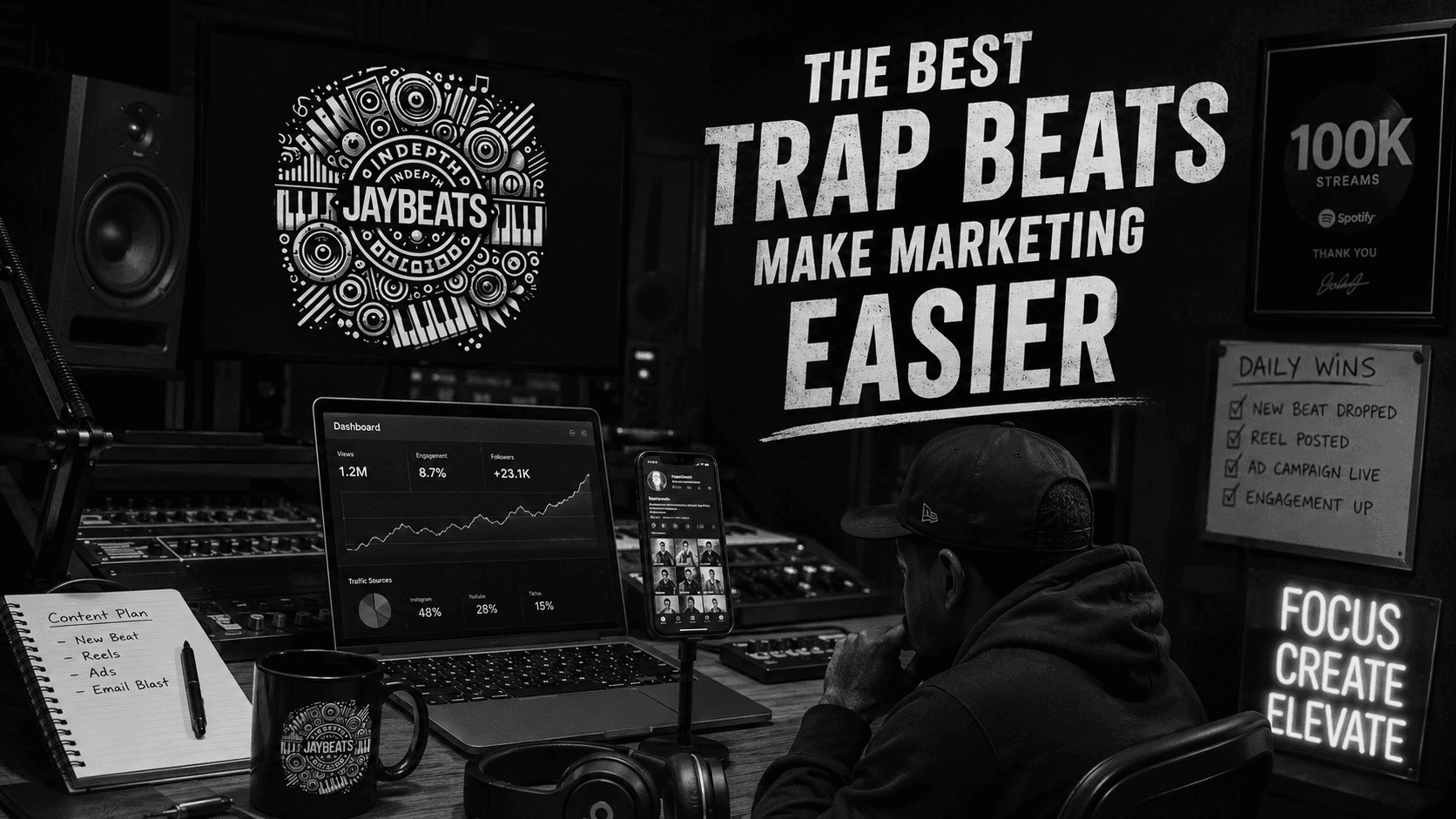
This is the part a lot of artists miss. A better beat makes your marketing easier.
When the beat hits hard, your snippets hit harder. Your studio videos feel more exciting. Your car test sounds better. Your hook previews grab attention faster. Your performance clips have more energy. Your music video feels more expensive even before the first camera move.
That matters because artists are not just competing with other songs anymore. You are competing with every piece of content on somebody’s phone.
A hard 808 can stop the scroll if the song idea is strong. That first drop, that first bounce, that first line after the bass comes in — that can be the moment somebody decides to keep watching.
So when you choose beats, think beyond the studio. Ask yourself: can I promote this? Can I make content to this? Can I perform this? Can I build a campaign around this song?
If the answer is yes, you might have more than a beat. You might have a record.
What Type of Rapper Needs Hard 808 Trap Beats?
Hard 808 beats are perfect for rappers who want their music to feel powerful, current, and replayable. They work especially well for artists making street anthems, workout music, motivational records, club tracks, pain music, flex records, and aggressive singles.
If your voice has confidence, hard 808s can make it sound even stronger. If your delivery is laid-back, the 808 can give your record more movement. If your lyrics are emotional, the low end can make the pain feel heavier.
The right beat does not change who you are as an artist. It brings more of your identity out.
That is why you should not pick beats only because they sound like another rapper. Inspiration is cool, but copying a lane will only get you compared to the person already winning in that lane. The goal is to find production that fits your voice, your story, and your energy.
Final Thoughts: Pick Beats That Make You Want to Record Right Now
The best beats for rappers who need hard 808s are not just loud beats. They are beats with feeling, bounce, space, and professional low end. They make you want to write. They make you want to record. They make you want to send the song to somebody before it is even mixed.
That is the feeling you should chase.
If a beat gives you that instant vision — the hook, the video, the first line, the car test, the performance — pay attention. That is usually the beat worth keeping.
Hard 808s can make a song feel unstoppable, but only when the beat is built right. Choose production that supports your voice. Choose beats that make your message hit harder. Choose instrumentals that sound clean enough to mix, big enough to perform, and unique enough to help you stand out.
Because at the end of the day, rappers do not need another random beat.
They need the right beat.
They need that one instrumental that makes them say, “Yeah, this is the one.”
And when that 808 drops and the whole room makes the ugly face, you already know what time it is.
Pick the beat. Record the song. Let the speakers tell the rest.