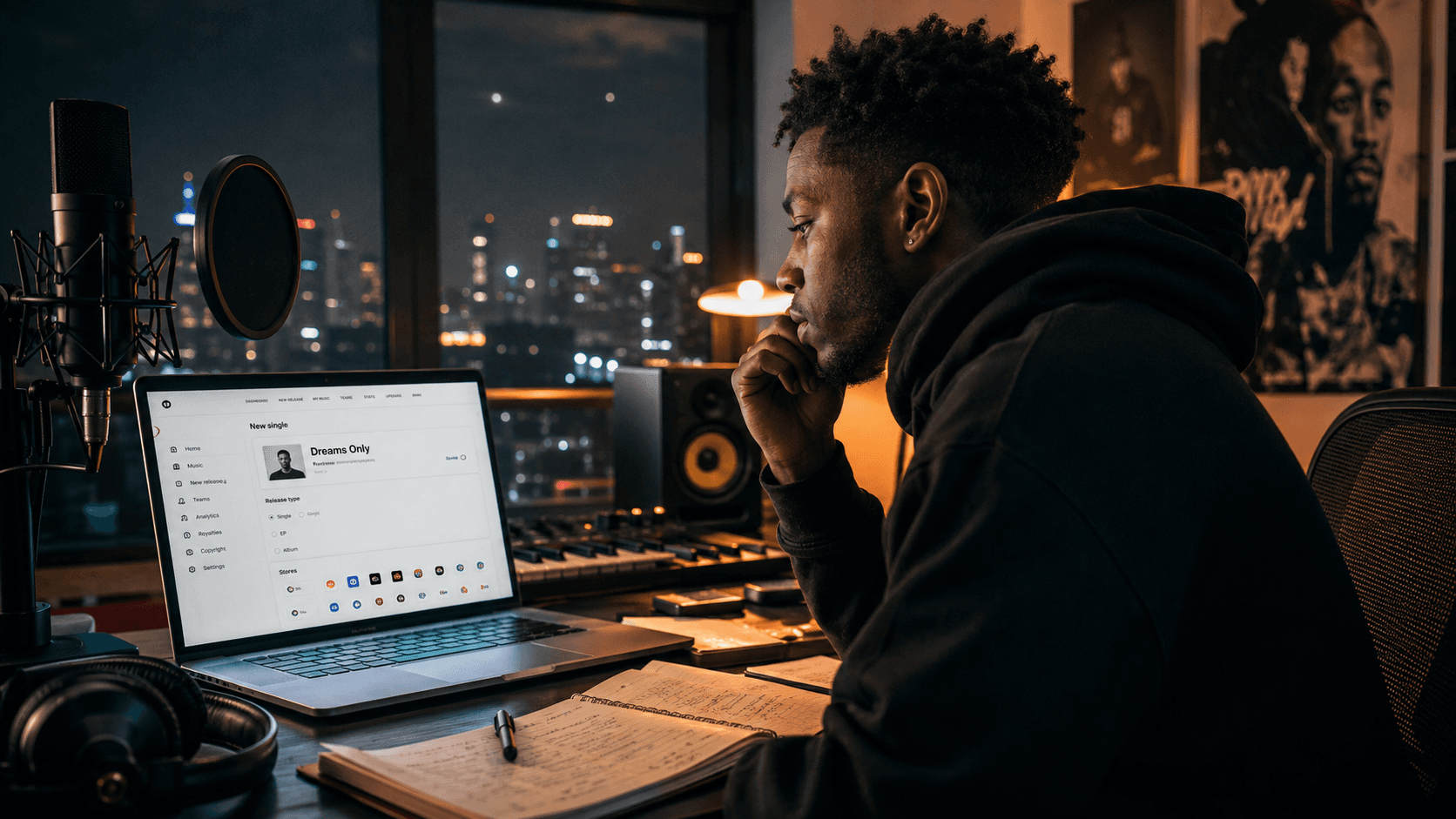
Releasing your first single as an independent rapper is more than uploading a song and hoping the internet shows love. That is not a release strategy. That is throwing your song into traffic with no shoes on.
Your first single is your first real statement. It tells people who you are, what you sound like, what lane you are stepping into, and why they should pay attention. You do not need a major label, a million followers, or a crazy budget to make your first single move. But you do need a plan.
If you have been searching for how to release your first single, this is the real playbook. Not the fake “just post every day” advice. Not the industry talk that sounds like it was written by somebody who never watched an artist struggle to get 200 streams. This is for the rapper recording in the bedroom, the basement, the home studio, the back room, or wherever the mic is set up. This is for the artist who knows the song could change things if the right people hear it.
Let’s break down how to release your first single the right way, so you do not just drop music — you build momentum.
1. Pick the Right Song, Not Just the Newest Song
A lot of rappers make this mistake. They release the song they just recorded because it feels fresh. But fresh does not always mean ready.
Your first single should do three things:
It should show your identity.
It should be easy for new listeners to understand.
It should make people want to hear more.
That does not mean it has to be a radio hit. It could be emotional. It could be street. It could be motivational. It could be soulful. It could be dark trap. It could be boom bap with pain in it. The style is up to you. But the song needs to have a clear feeling.
When somebody hears it for the first time, they should instantly know what type of artist you are. Are you the hungry rapper with pain in your voice? Are you the smooth talker with luxury bars? Are you the street poet? Are you the club energy artist? Are you the one talking about ownership, struggle, faith, pressure, money, heartbreak, or winning?
Do not try to be everything on your first single. Be clear.
A strong first single is not always your most complicated record. Sometimes it is the record with the strongest hook, the cleanest beat, and the most believable message.
If your friends keep asking you to play one song again, pay attention. If strangers react to one track more than the others, pay attention. If the beat makes you rap different, that might be the one.
2. Start With a Beat That Matches Your Brand
Before you even record, the beat matters. The beat is the foundation. If the beat sounds cheap, outdated, or weak, your vocals have to work twice as hard.
You want a beat that gives your voice room to breathe but still hits hard enough to make people feel something. A great beat makes the rapper sound more confident. It gives the song direction before the first word even drops.
Think about the type of artist you want to become.
If you want to sound hungry and focused, you might need hard 808s, dark melodies, and drums that hit like somebody kicked the door in.
If you want to sound soulful and timeless, you might need warm samples, piano chords, live bass, or boom bap drums that feel like pain and victory at the same time.
If you want to make music for the ladies, you might need smooth R&B chords, bounce, space, and melodies that let you talk your talk.
The beat should not just sound cool. It should support your message.
Your first single is not the time to rap on a random beat just because it was free. Think ownership. Think quality. Think long term. If the song catches fire, you do not want to be stuck trying to figure out who owns what after the record starts moving.
That is why serious artists pick beats with purpose. They think like owners from the start.
3. Write Like You Are Introducing Yourself to the World
When you release your first single, most people hearing you do not know your story yet. That means you have to give them something to grab onto.
Your lyrics do not have to explain your whole life, but they should reveal something real. The listener needs a reason to care.
Do not just rap to prove you can rap. Rap to make people feel you.
Talk about the pressure. Talk about the dream. Talk about what you survived. Talk about what you are chasing. Talk about the people who doubted you. Talk about the city you come from. Talk about the nights you almost quit. Talk about the money you are trying to make so your family can breathe. Talk about the pain, the hunger, the mistakes, the confidence, the comeback.
Bars are cool. But believable bars are powerful.
A lot of new rappers hide behind punchlines because they are scared to be real. But the artists who connect usually let people into their world. That is what builds fans.
Your first single should give listeners a reason to say, “I believe this artist.”
4. Record Your Vocals Like the Song Matters

Once you have the right beat and the right lyrics, the recording has to match the vision.
You do not need a million-dollar studio, but you do need clean vocals. No loud background noise. No messy takes. No weak energy. No vocals that sound like you were scared the neighbors might hear you.
Rap like this song could be the one.
Do multiple takes. Punch in if needed. Stack important lines. Get your ad-libs clean. Make sure the hook feels strong. Your hook is usually the part people remember first, so do not treat it like an afterthought.
Before recording, practice the song until you can perform it with confidence. If you are reading every line with no emotion, the listener will feel that. You want your delivery to sound natural, like you lived every word.
Your voice is an instrument. The beat is the canvas. The performance is the paint.
If the song is aggressive, bring that energy. If the song is emotional, let your voice carry that pain. If the song is smooth, do not over-rap and crowd the beat. Match the vibe.
5. Get the Mix Right Before You Release
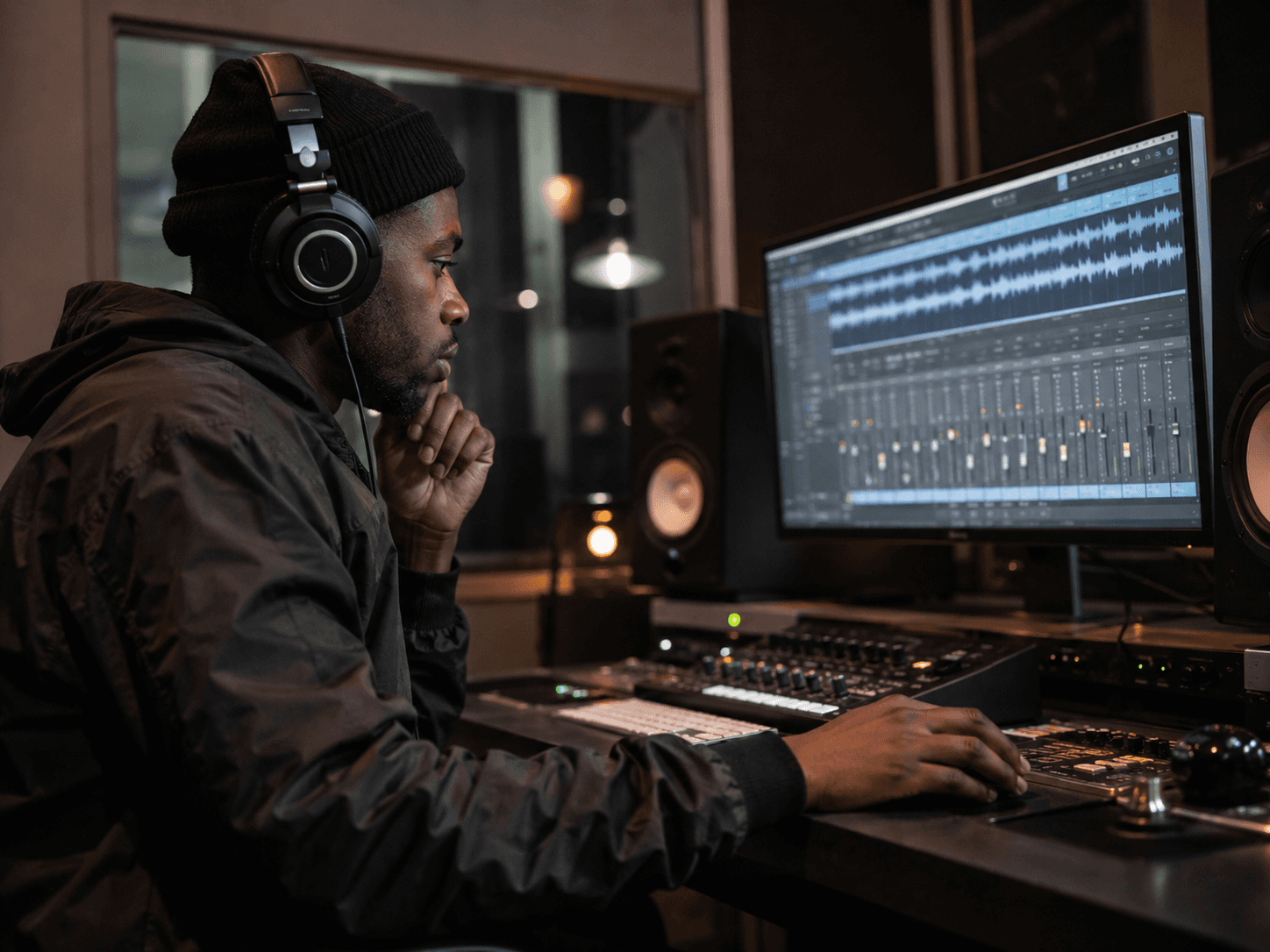
A good song can get ignored if the mix is bad. That is just the truth.
The average listener might not know what EQ, compression, saturation, or vocal leveling means, but they know when something sounds off. If your vocals are too low, too loud, too muddy, too dry, or too harsh, people may skip before they even understand the song.
Your first single needs to sound clean on headphones, car speakers, phone speakers, and Bluetooth speakers. Most people will not hear it in a perfect studio environment. They will hear it while driving, scrolling, working out, smoking, cleaning, or riding around with friends.
Before release, test the song everywhere.
Play it in the car. Play it on your phone. Play it in cheap earbuds. Play it on a speaker. If the beat is swallowing your voice, fix it. If the 808 is destroying everything, fix it. If the vocals sound thin, fix it.
You do not need to chase perfection forever, but you do need professional enough quality that people take you seriously.
The mix is part of your image. Quality says you care.
6. Handle the Business Before the Song Drops
This is where a lot of rappers lose money before they even make money.
Before you release your first single, make sure you understand the basic business side. If you used a beat, know the license terms. If you worked with a producer, know the split. If there are writers, singers, engineers, or featured artists involved, get the paperwork clear.
Do not wait until the song starts gaining traction to ask, “Who owns this?”
That is how relationships fall apart.
You should know:
Who owns the beat?
Do you have a license?
Can you monetize the song?
Can you upload it to streaming platforms?
Can you make a music video?
Are there publishing splits?
Are there master splits?
Is the beat exclusive or non-exclusive?
Does the producer get credit?
If you are serious about music, treat every release like it matters. Even if the song only gets 500 streams, you are building habits. Owners move different.
Also, register your songs properly when needed. Learn about performance rights organizations, publishing administration, mechanical royalties, and split sheets. You do not have to master the entire music business in one night, but you should start learning now.
The goal is not just to be popular. The goal is to get paid and stay protected.
7. Create a Release Date Instead of Randomly Dropping
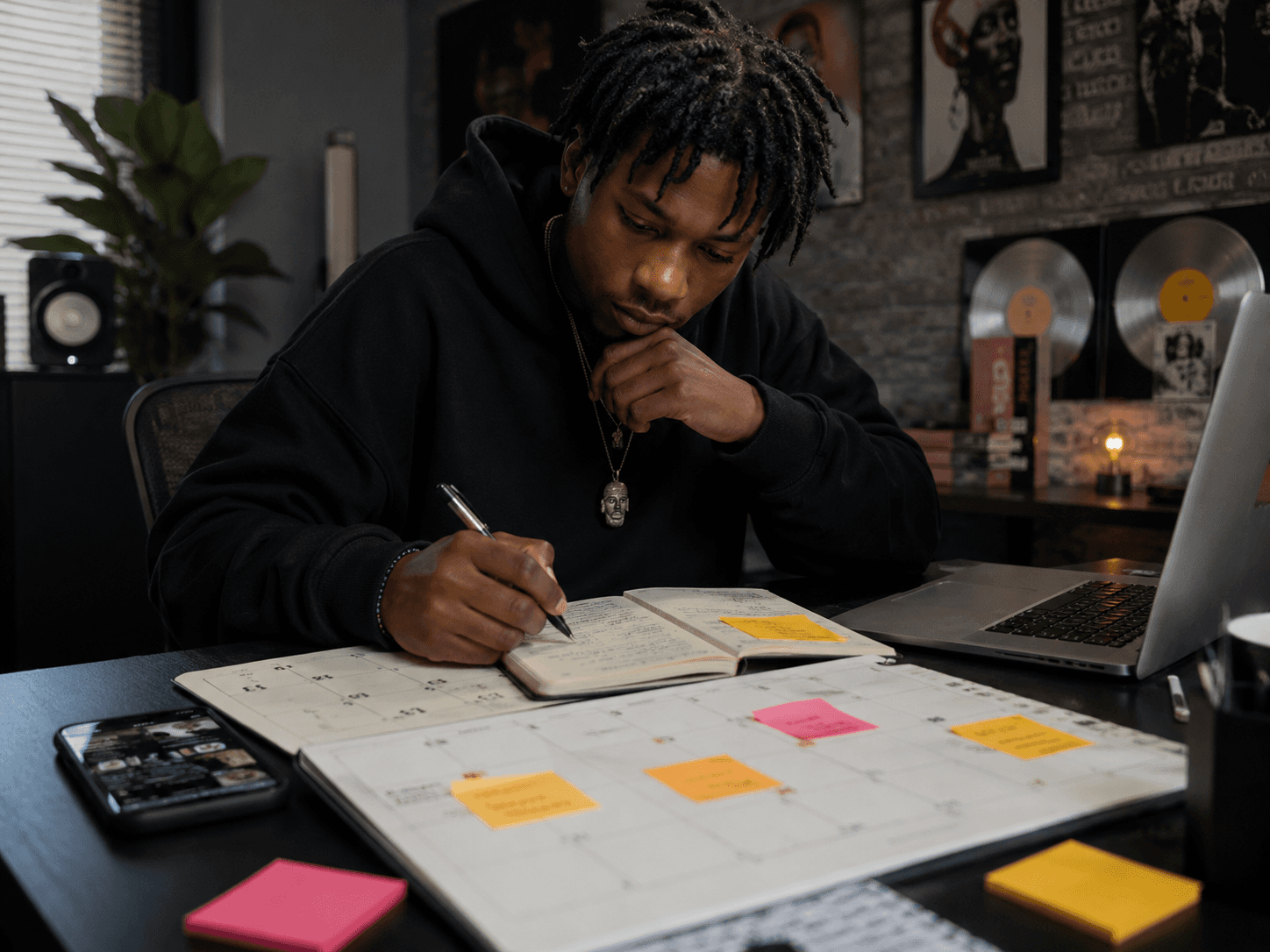
Random drops are where good songs go to disappear.
Pick a release date at least three to four weeks out if you can. This gives you time to upload the song, create content, build anticipation, and tell people what is coming.
When you know the date, everything gets easier. You can plan posts. You can shoot short videos. You can email your supporters. You can create a pre-save link if your distributor offers one. You can prepare cover art. You can make sure the song title, artist name, and metadata are correct.
Do not treat your release like a surprise party nobody asked for.
Your job is to warm people up before the song drops.
Start talking about the record before it comes out. Show behind-the-scenes clips. Post a hook preview. Explain what the song is about. Share the story behind the lyrics. Let people see the process.
People support what they feel connected to.
8. Make Cover Art That Looks Like a Real Release
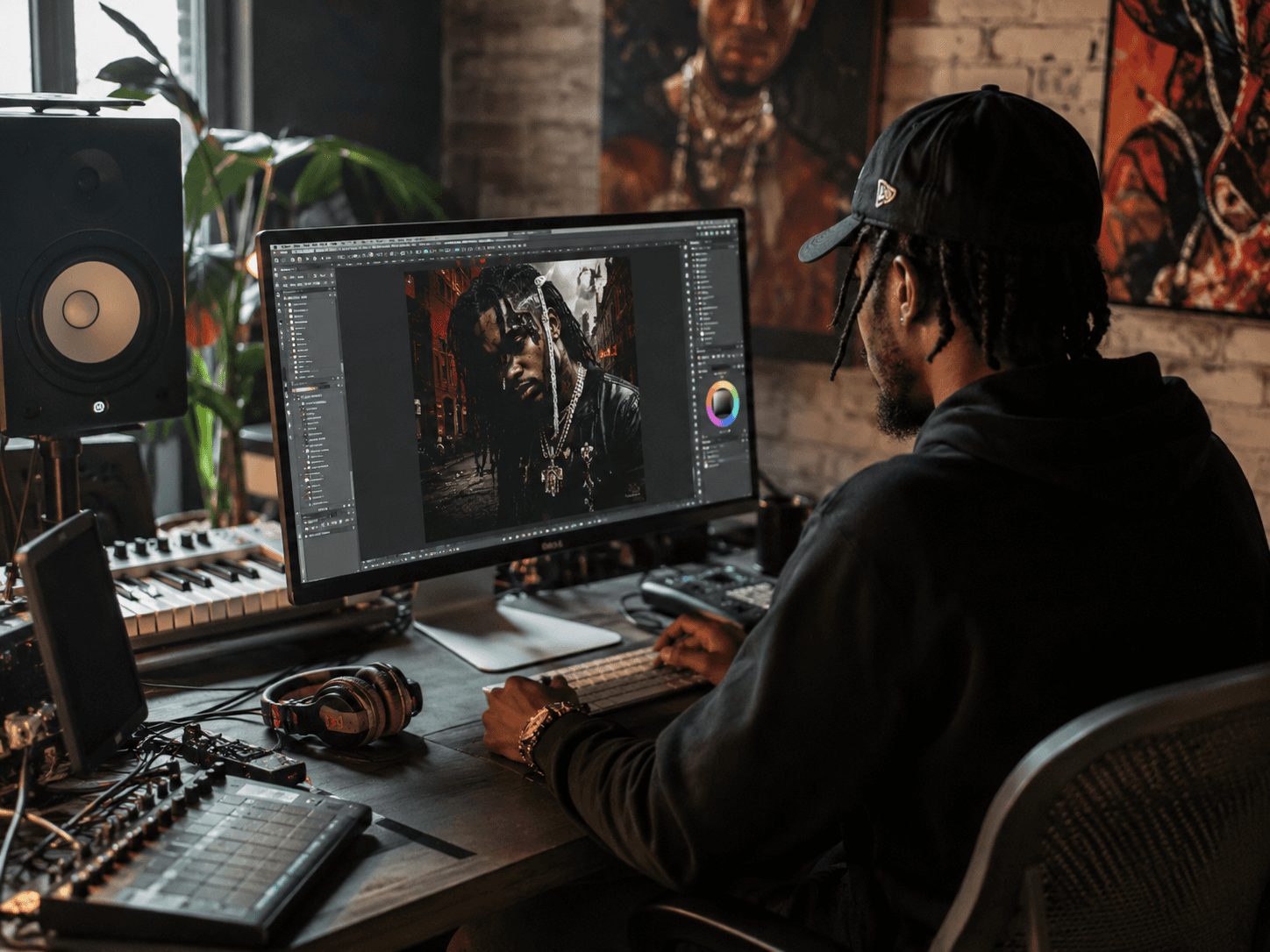
Your cover art matters. It is the first visual impression of the song. If the art looks rushed, blurry, or low quality, people may assume the music is low quality too.
The cover does not have to be complicated. Simple can be powerful. But it should match the song’s energy.
A dark trap single might need gritty lighting, bold text, city energy, smoke, shadows, or luxury pressure.
A soulful rap single might need warm colors, vintage textures, thoughtful imagery, or cinematic emotion.
A motivational single might need clean design, strong contrast, and a title that feels like a statement.
Make sure the title is easy to read. Make sure your artist name is correct. Make sure the image is square and high resolution. Do not use random copyrighted images from the internet. Build your own visual identity.
Your cover art should make people curious enough to press play.
9. Upload Through a Distributor
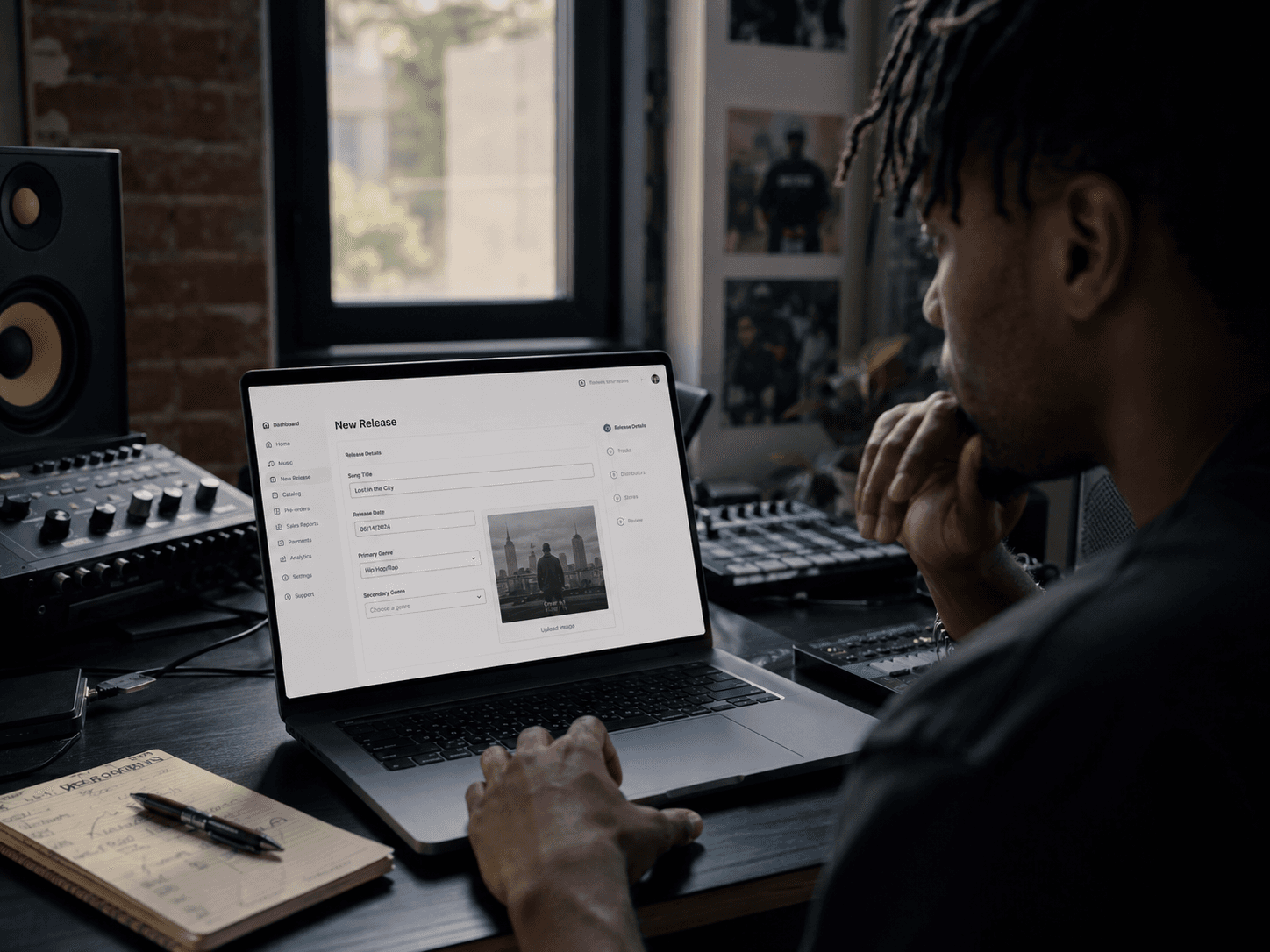
To get your first single on platforms like Spotify, Apple Music, YouTube Music, Tidal, Amazon Music, and more, you will usually need a digital distributor. These services deliver your song to streaming platforms and help collect your master recording revenue.
When uploading, take your time. Make sure everything is correct.
Check your artist name.
Check the song title.
Check the release date.
Check the genre.
Check the cover art.
Check the producer credit.
Check whether the song is explicit or clean.
Check the audio file quality.
Check the songwriter information.
Small mistakes can cause delays or make your release look unprofessional. You do not want your first single showing up under the wrong artist profile or with a typo in the title. That is not the type of pain we are trying to rap about.
Upload early so you have time to fix issues before release day.
10. Build a Content Plan Around the Song
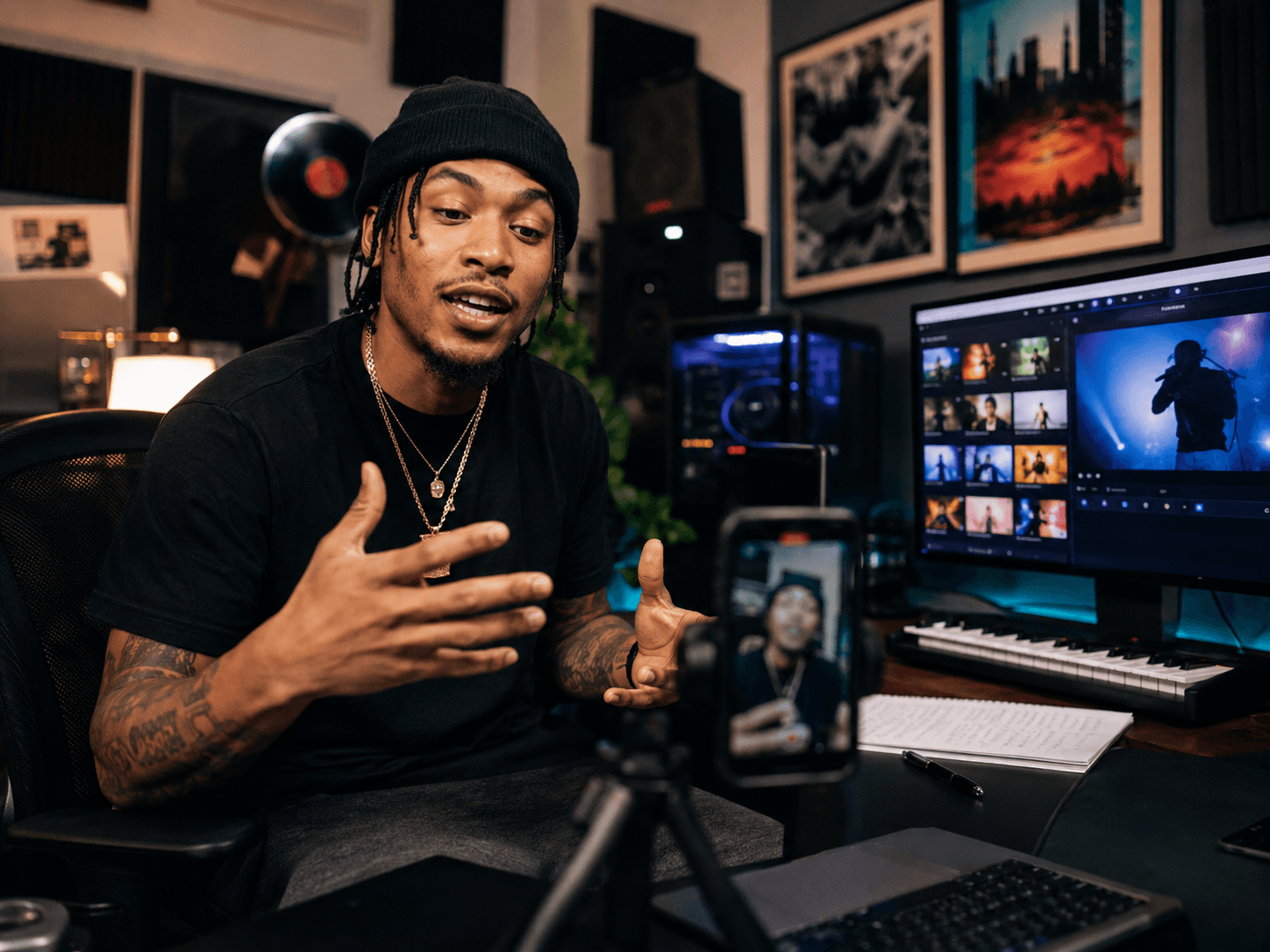
Music does not promote itself. You need content.
But content does not mean begging people to stream your song every day. Nobody wants to see “new single out now” posted 37 times with the same cover art. That is not marketing. That is digital panhandling.
You need angles.
Here are content ideas for your first single:
Tell the story behind the song.
Perform the hook in your car.
Post a studio clip.
Break down one lyric and what it means.
Show the beat playing before your verse drops.
Ask people if they relate to the message.
Make a short video about why you wrote it.
Post a before-and-after clip of the raw vocal and mixed version.
Create a “POV” video that matches the emotion of the song.
Use the hardest line as text on screen.
Shoot a simple performance video in a clean location.
Make three different snippets using three different parts of the song.
You are not just promoting the song. You are giving people multiple reasons to care.
One song can create 30 pieces of content if you think creatively.
11. Use Your Email List and Direct Messages
Social media is cool, but direct connection is stronger.
If you have an email list, use it. Tell your people the single is coming. Give them the story. Send them the link on release day. Ask them to reply and let you know their favorite line.
If you do not have an email list yet, start building one. Your fans should not only live on platforms you do not control. Algorithms change. Accounts get hacked. Reach drops. But an email list gives you a direct line to your supporters.
Direct messages can also help if you use them the right way. Do not spam random people with a link and no context. That is how you get ignored.
Instead, talk like a real person.
Say something like:
“Peace, I just released my first single. It is about staying focused while everybody doubts you. I think you might feel it. Can I send it over?”
That feels human. That feels respectful. That gets better results than just dumping a link.
12. Release Day: Move With Energy
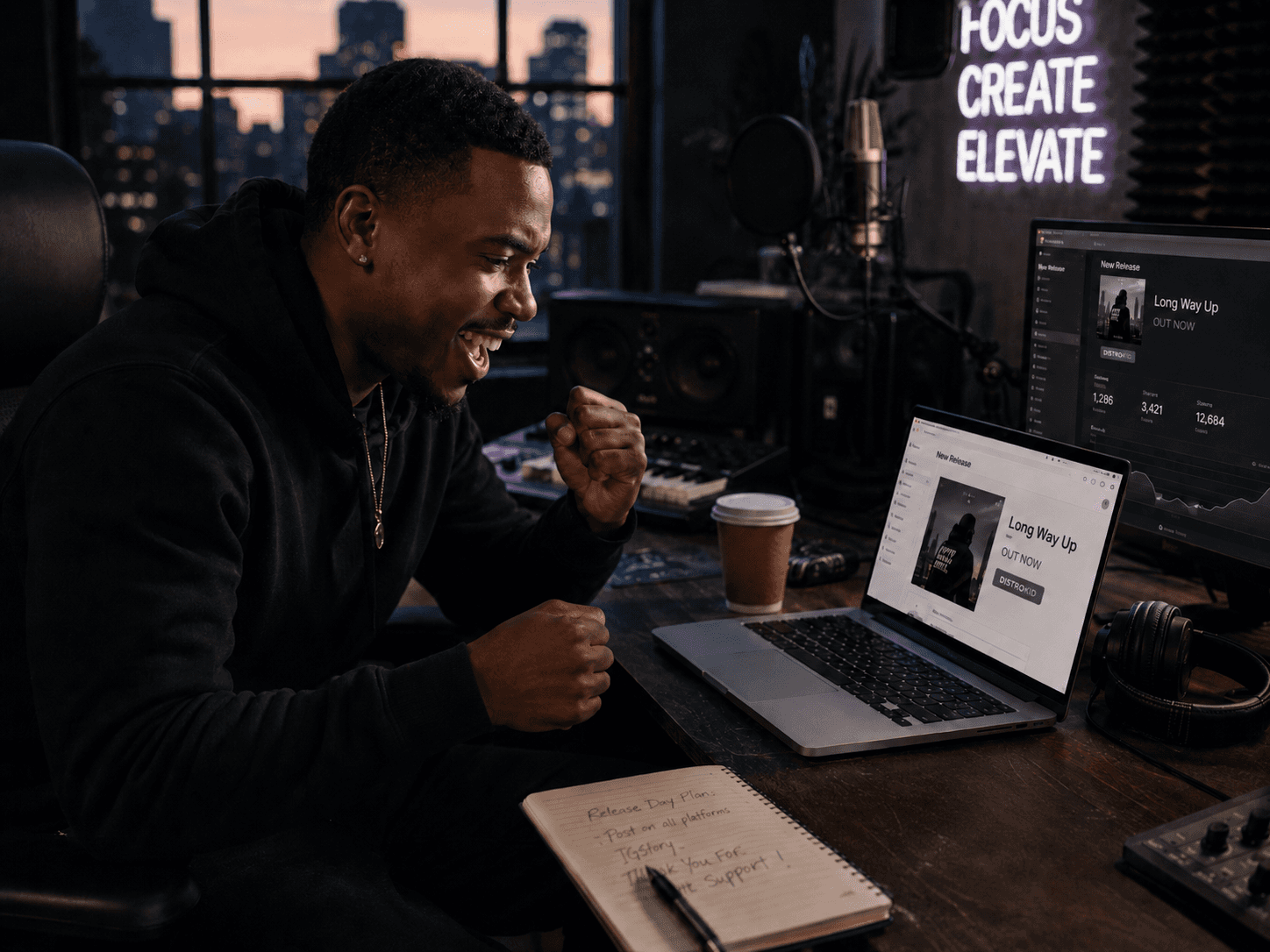
When release day hits, do not just post once and vanish.
This is the day to be active.
Post the link. Post a video. Share the cover art. Go live if you are comfortable. Thank people who listen. Reply to comments. Repost stories. Message people who supported you before. Send the email. Put the link in your bio. Pin the post. Update your profiles.
Act like the song matters, because it does.
The first 24 to 72 hours can help build momentum, but do not panic if it does not blow up immediately. Most songs grow because artists keep pushing them after release day.
One post will not build a career. Consistency will.
13. Keep Promoting After the Drop
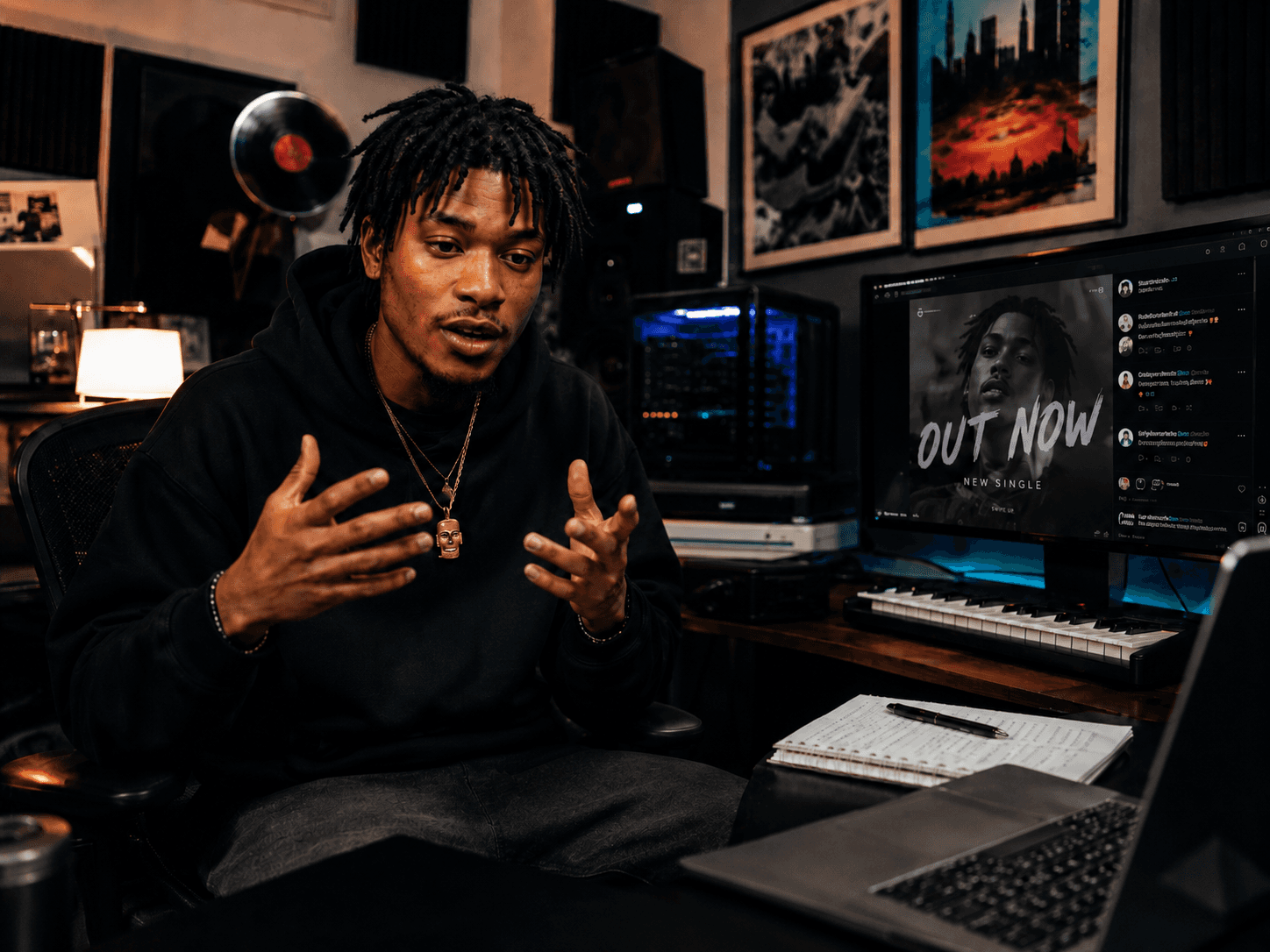
A big mistake artists make is promoting a single for two days and then acting like it is old.
Your song is not old just because you heard it 500 times. To new listeners, it is brand new.
Keep pushing the record for at least 30 to 60 days. Create new content angles. Share reactions. Post lyrics. Make performance clips. Ask DJs, playlist curators, bloggers, and content creators to check it out. Send it to people who support independent music.
You can also make acoustic versions, freestyle versions, remix snippets, behind-the-scenes breakdowns, or videos explaining the meaning behind the song.
Do not let your single die because you got bored.
Marketing is repetition with creativity.
14. Track the Data and Learn From It
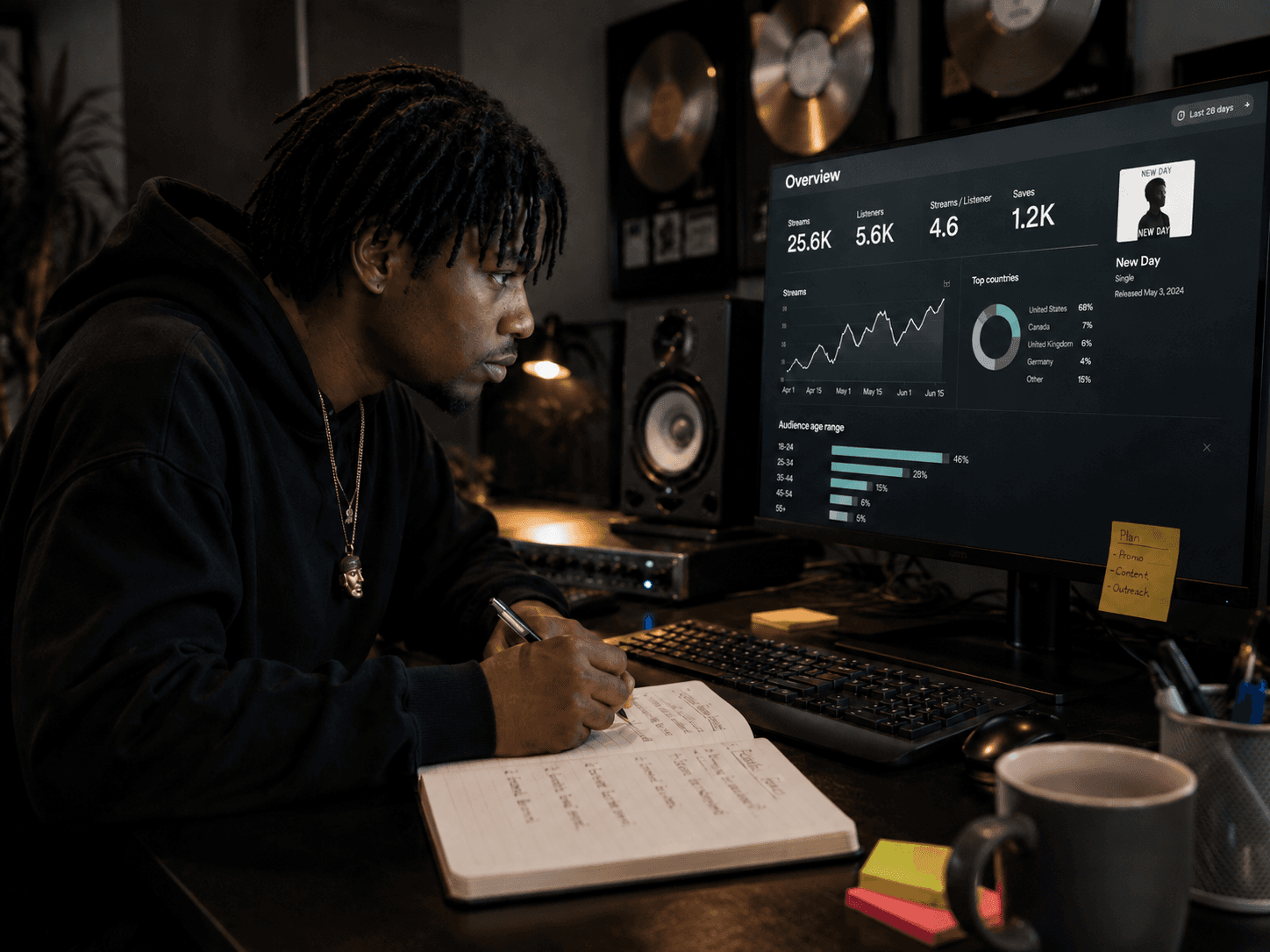
After your first single is out, study what happened.
Which post got the most views?
Which snippet got the most comments?
Did people like the hook or the verse better?
Where did most streams come from?
Did anyone save the song?
Did anyone add it to a playlist?
Did anyone message you about it?
Did the cover art get attention?
Did the title make people curious?
This data helps you make better decisions for the next release. Every single is a lesson. The goal is to get smarter each time.
Do not judge your whole career based on one release. Your first single is the beginning of the system.
Release. Learn. Improve. Repeat.
15. Think Like an Owner From Day One
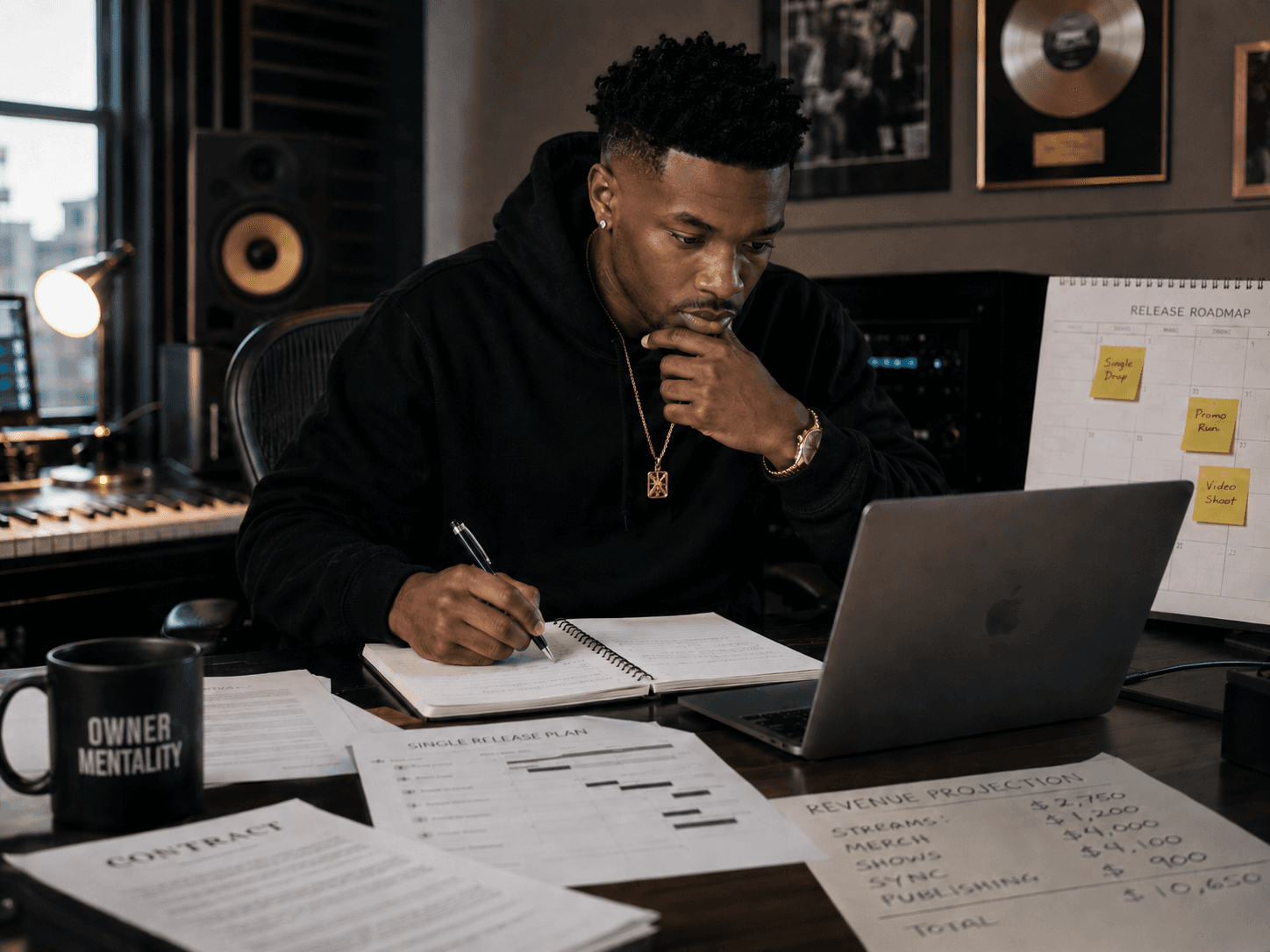
The rappers who win long term are not just artists. They are brands. They are businesses. They are media companies. They are content creators. They are storytellers. They are owners.
When you release your first single, do not only think about streams. Think about assets.
Your song is an asset.
Your beat license is part of the business.
Your email list is an asset.
Your music video is an asset.
Your content is an asset.
Your fan relationships are assets.
Your brand identity is an asset.
Your catalog is an asset.
Every song you release should help build something bigger. Maybe the single leads to an EP. Maybe it leads to a music video. Maybe it brings new fans to your email list. Maybe it helps you sell merch later. Maybe it gets you shows. Maybe it gets licensing opportunities. Maybe it opens the door for collaborations.
Do not move like somebody just trying to be seen. Move like somebody building ownership.
Final Thoughts: Your First Single Is the First Brick
Learning how to release your first single is really learning how to take yourself seriously as an independent artist. You are not waiting on a label. You are not waiting on somebody to discover you. You are building your own machine.
Pick the right beat. Write something real. Record it with confidence. Get the mix clean. Handle the business. Plan the release. Create content. Talk to your people. Promote past release day. Study the results. Then come back harder with the next one.
Your first single does not have to be perfect. But it does need to be intentional.
The artists who win are not always the most talented. Sometimes they are the ones who keep showing up, keep learning, keep releasing, and keep treating their music like a real business.
So stop overthinking. Stop waiting for the perfect moment. Stop sitting on songs that could be changing your life.
The mic is ready. The fans are out there. The next move is on you.