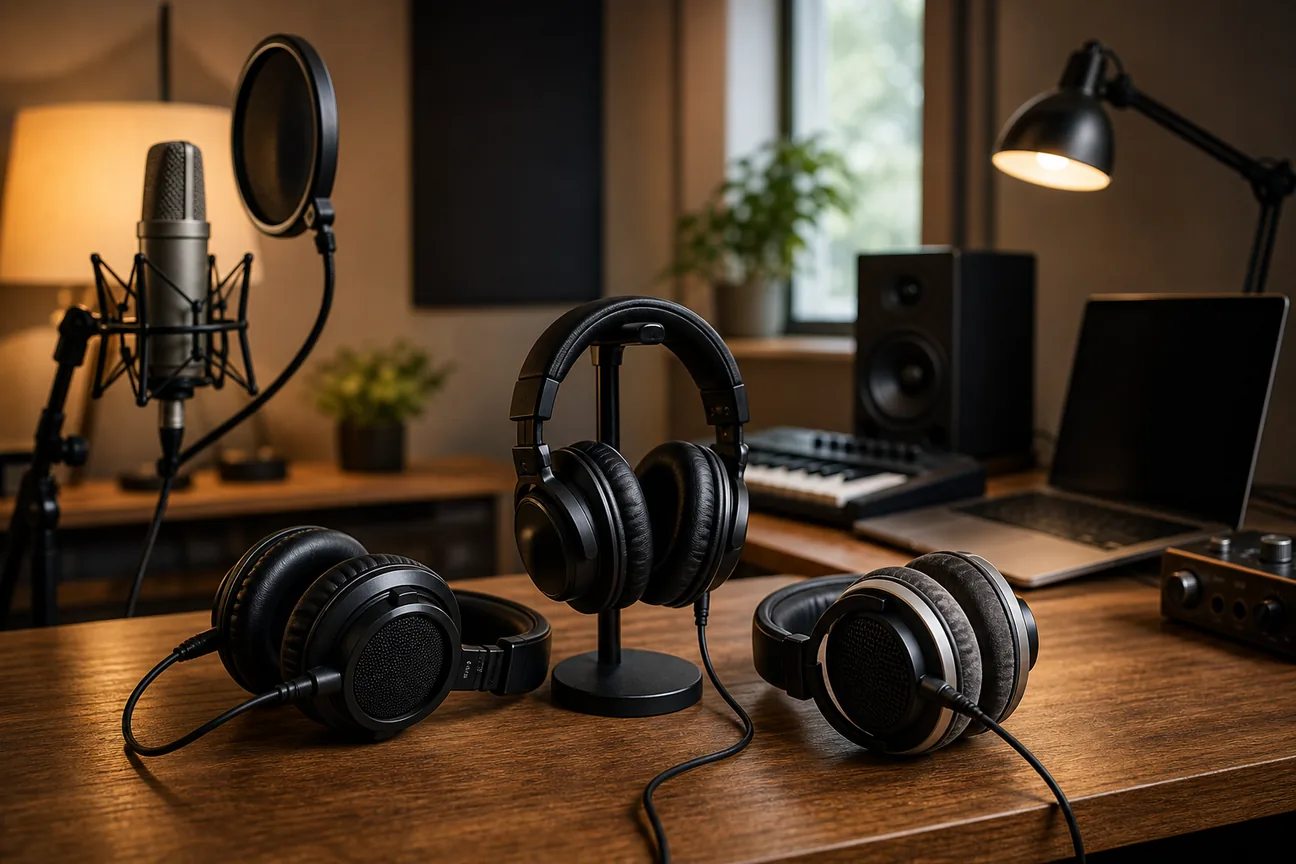
The most expensive headphones aren't always the smartest studio buy fam. A $100 wired pair can match much pricier models on the specs that matter at home. Here are the best headphones for home recording, plus the setup choice each one suits.
Table of Contents
Beyerdynamic DT 770 Pro X, Strong isolation for vocal tracking
Audio-Technica ATH-M50x, Versatile beginner headphones for beats and mixing
Sennheiser HD 490 Pro Plus, Comfortable open-back headphones for mixing
Focal Listen Professional, Secure, comfortable monitoring for long sessions
HEDD HEDDphone Two, Premium detail for learning and critical decisions
1. Indepth Jay Beats
Indepth Jay Beats is a beat marketplace and production service, not a headphone model. It earns the first spot because headphones only help when the song underneath them is worth recording. Independent rappers and singers can use the site to find hip hop, trap, boom bap, and R&B instrumentals before they track vocals at home.
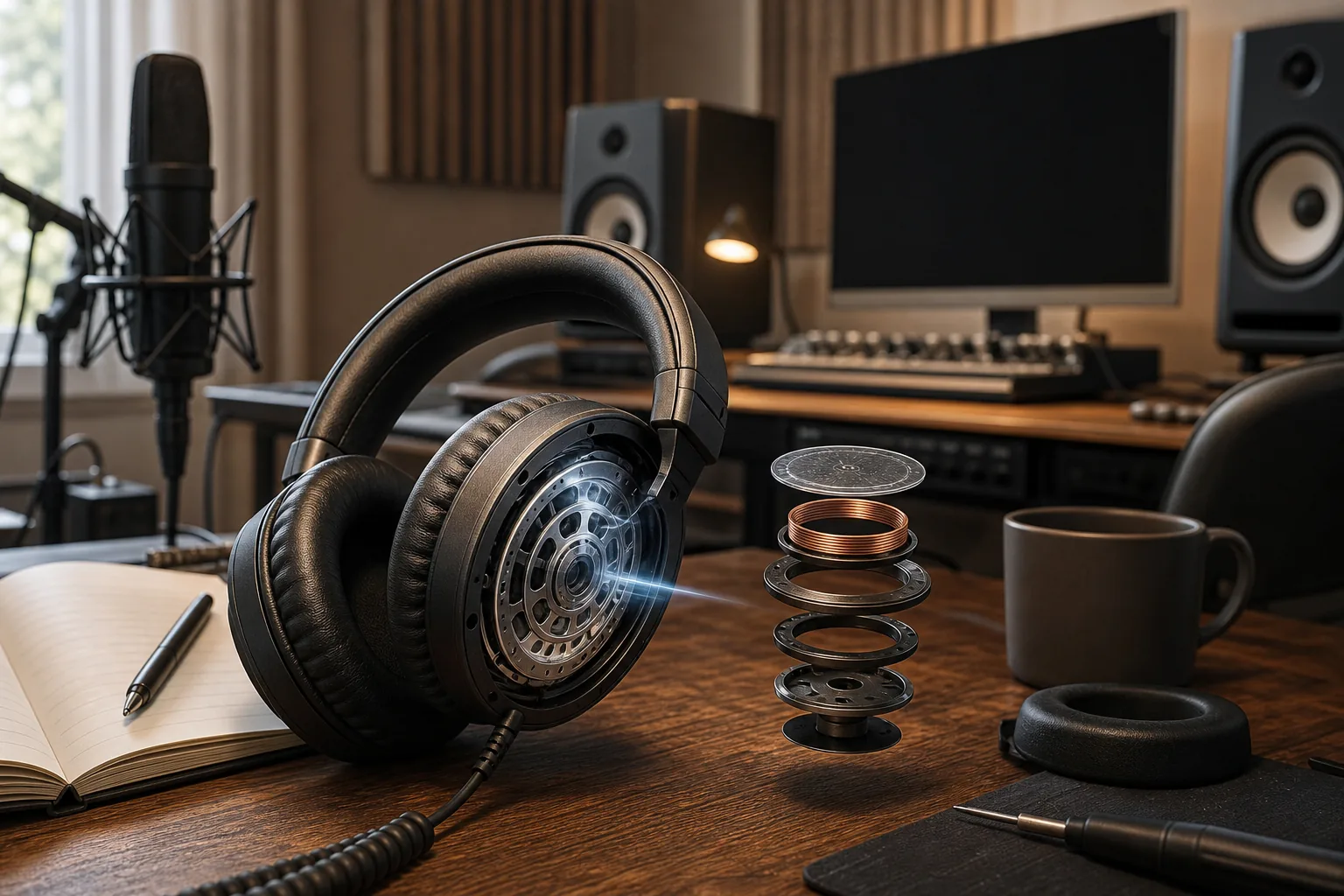
That makes this pick useful at the start of the recording chain. You can audition a beat, choose a license, then record with closed-back headphones while the vocal is still being tracked. Licensing matters here. A beat license sets the rights you have for release, while an exclusive deal changes who else can use the instrumental. Read those terms before you distribute the song.
I like this workflow for artists who don't yet own a full studio. Pick the instrumental first. Then check that your interface can drive the headphones you plan to buy. Once the vocal is recorded, stems, meaning the separate track files, can move into mixing with less guesswork.
Indepth Jay Beats also gives you a path beyond a single download. If the beat needs a custom change, one-on-one production can shape the tempo, mood, or arrangement around your voice. That matters when a stock instrumental gets close but doesn't leave enough room for your hook.
Here's the caveat: this isn't a substitute for headphones. You still need a wired pair for tracking and a trusted listening setup for mix checks. If you want to compare the room side of that setup, the guide to Best Studio Monitors for Home Studio Setups covers the speaker choice that comes after headphones.
Start with the song. Then pick the cans that let you hear the performance clearly. Love, Jason.
2. Beyerdynamic DT 770 Pro X, Strong isolation for vocal tracking
The Beyerdynamic DT 770 Pro X is a closed-back choice for vocalists who need strong isolation. It fits home recording rooms where the microphone sits close to the headphones and sound leaking from the cups could reach the vocal take.
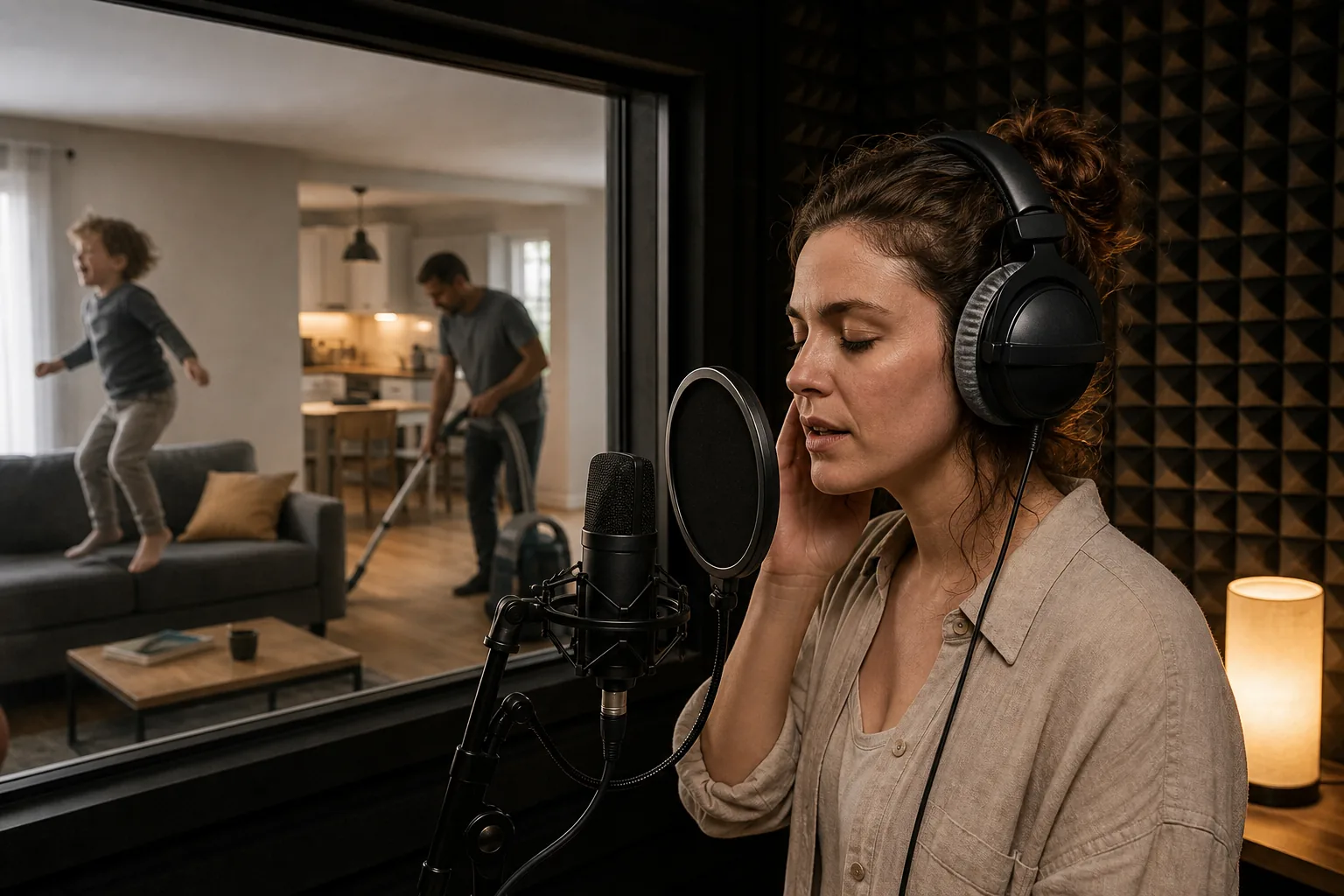
This model has a 5 Hz to 40 kHz frequency response, 48-ohm impedance, and a detachable cable. The 48-ohm load is low enough for many common audio interfaces. You should still check your interface output if the headphones sound quiet or thin at a safe listening level.
Isolation is the key reason to choose this model. Closed cups reduce the path from the headphone driver to the microphone. That doesn't make leakage impossible, though. Keep the volume lower than you think you need, and ask the vocalist to remove one ear cup only if the performance calls for it.
The detachable cable helps in a small room. A fixed cable can snag on a chair or pull an interface off a desk. A replaceable lead gives you a simpler fix when the cable takes the hit instead of the headphones.
These headphones also make sense for beat makers who switch between tracking and rough balance work. You can hear the vocal against the instrumental without opening the room to speaker sound. But closed-back headphones can make low-end choices feel different from a monitor setup, so check the finished mix elsewhere.
Use the DT 770 Pro X when your first concern is a clean vocal take. If you mainly mix, an open-back model will give you a different sense of space.
3. Audio-Technica ATH-M50x, Versatile beginner headphones for beats and mixing
The Audio-Technica ATH-M50x is a strong first pair for beat makers who need one wired set for tracking and early mix work. Its 15 Hz to 28 kHz frequency response and 38-ohm impedance suit many home interfaces without a dedicated headphone amp.
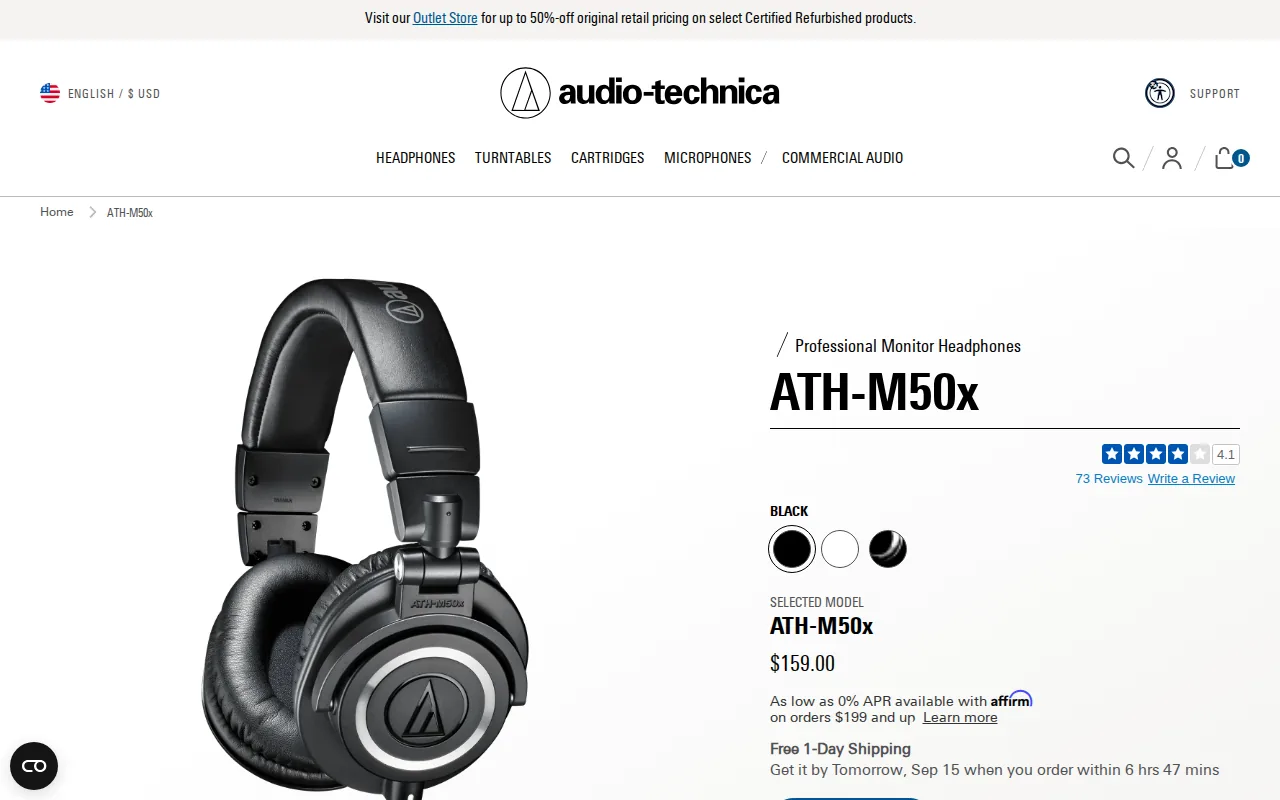
The ear cups swivel and fold for transport. That detail matters if you record at a desk one day and at a rehearsal space the next. The fit also makes it easy to turn one cup slightly away during a vocal take, though you should watch for sound leakage near a sensitive microphone.
For beats, the ATH-M50x gives you a direct way to check kick and bass placement before you export. Use it to find clicks, harsh vocal edges, or a hat that sits too far forward. Then switch to another playback system before you call the mix done.
Beginners often make one mistake with closed headphones: they trust the first bass impression. Give your ears a break after a long session. When you return, compare the low end against a track you know well. That reference won't fix the room, but it can show you when your balance has drifted.
The ATH-M50x is less suited to final learning decisions than a detailed open-back pair. It also won't replace speakers when you need to judge how the mix moves air in a room. Still, the foldable build and low impedance make it a usable single-pair setup for an artist building a home rig.
Choose this one if you want a familiar workhorse and don't want to split your first purchase between tracking and rough mixing.
4. Sennheiser HD 490 Pro Plus, Comfortable open-back headphones for mixing
The Sennheiser HD 490 Pro Plus is an open-back model for mixing and mastering at a desk. Open cups let some air and room sound pass through, which can make stereo placement and balance feel more natural than sealed tracking headphones.
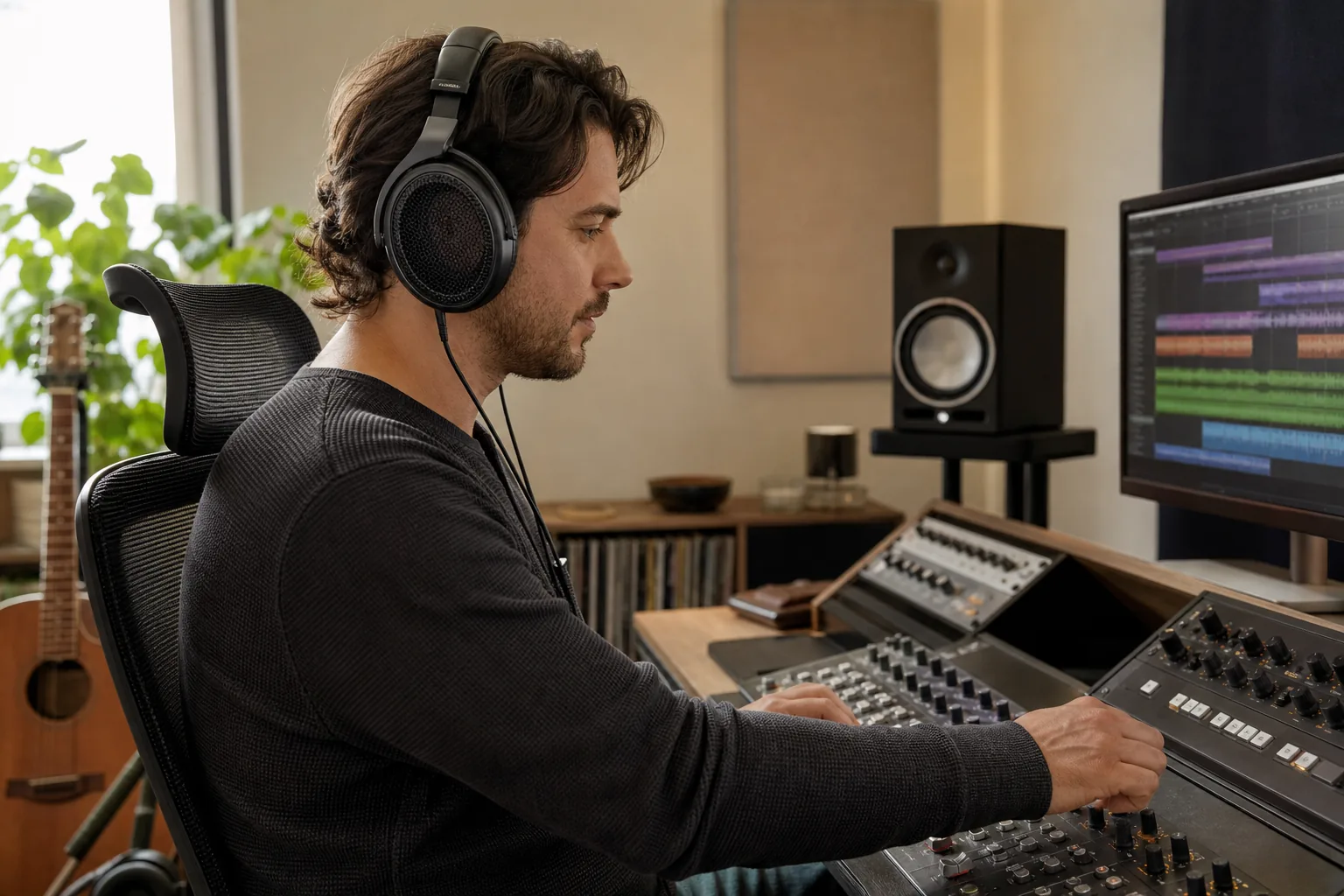
The frequency response runs from 5 Hz to 36 kHz, with 130-ohm impedance. That impedance is higher than the low-load models above. Many interfaces can still drive it, but the actual result depends on the output stage. If you must turn the knob near its limit, look at a different pair or add a suitable headphone amp.
Comfort is a major reason to buy this model. Its lightweight open-back design can support comfort during a long mix. A good fit matters because pressure behind your ears can make you stop listening before the mix is ready.
The open design has one hard rule: don't use it for a close vocal take in the same room as the microphone. Sound from the cups can enter the mic and create a faint doubled signal. Use closed headphones for tracking, then move to the HD 490 Pro Plus when you edit or mix.
Its listed response range is more than enough for critical work, but a wide number on a spec sheet doesn't prove that a mix will translate. Your room, reference tracks, volume level, and listening habits still shape the call. The basic distinction between headphones and loudspeakers is straightforward, but your own reference checks remain the final test.
Pick the HD 490 Pro Plus when long mix sessions hurt more than your budget. Skip it for live vocal tracking unless you can keep the microphone well away from the cups.
5. Focal Listen Professional, Secure, comfortable monitoring for long sessions
The Focal Listen Professional is a closed-back monitoring pair with a snug fit and memory-foam cups. It suits producers who want secure headphones during long sessions, especially when a loose cup would break focus during vocal edits or beat changes.
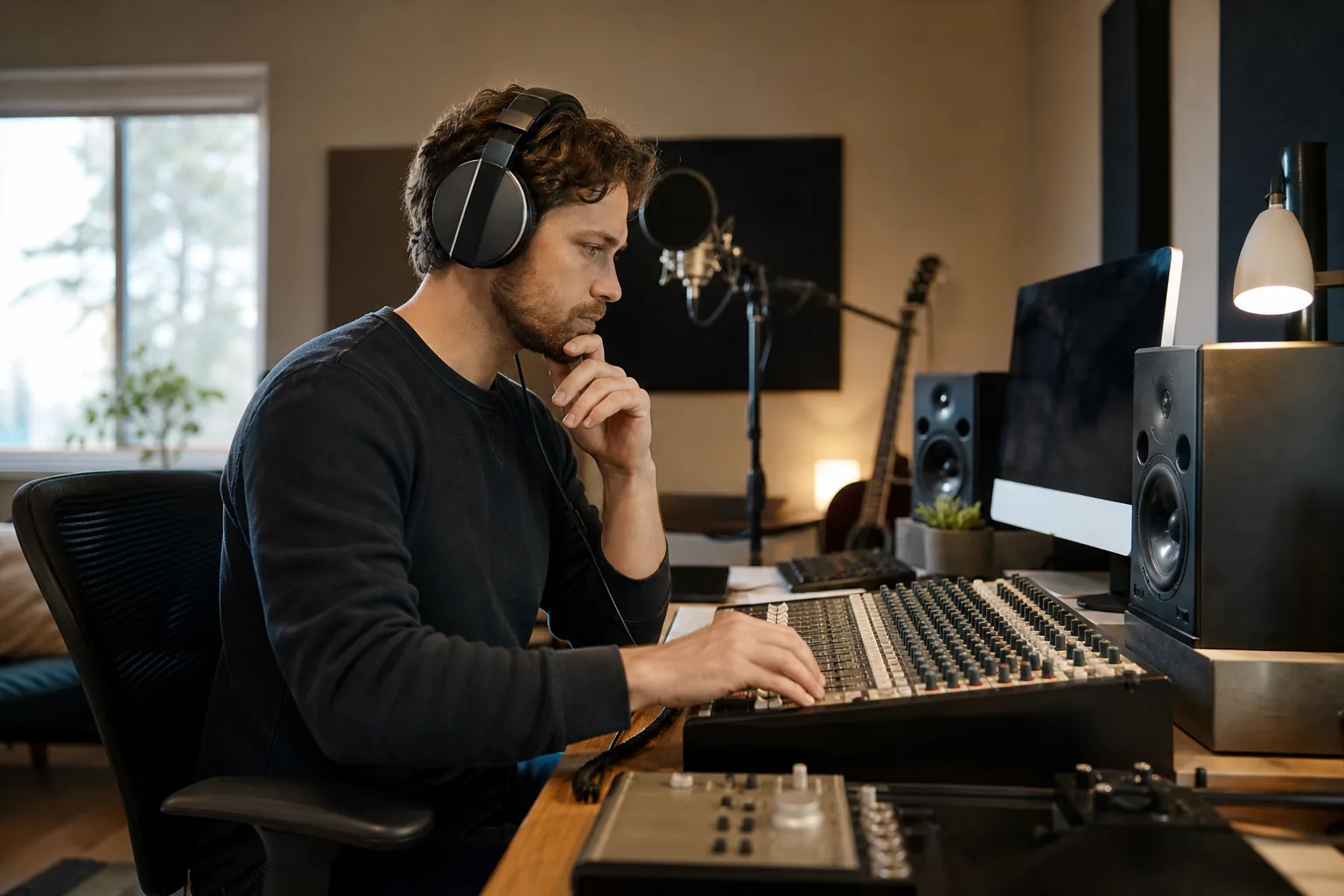
The Focal Listen Professional has a 5 Hz to 22 kHz frequency response and 32-ohm impedance. That low impedance makes it a friendly match for many audio interfaces, laptops with an adapter, and small mobile recording rigs. It won't solve every source problem, but you shouldn't need a high-powered amp just to reach a useful level.
A snug fit helps during tracking because the cups stay in place when you move. Memory foam can also reduce the pressure points that make cheaper pads tiring. Still, comfort is personal. A tight seal may feel secure to one artist and too warm to another.
Closed-back monitoring comes with a tradeoff. The sealed cup can make bass feel larger than it will in a room, so don't boost the sub range just because it feels exciting at first. Take a break, compare a familiar song, and check the mix on speakers or another pair.
Focal's 32-ohm figure also makes this model a sensible pick when your chain includes several devices. A lower impedance can reduce the need to push a weak headphone output. For more on that relationship, see electrical impedance, then test your own interface at a safe volume.
Choose the Listen Professional when fit is your deal breaker. If you need a wide, room-like stereo picture for final balance calls, keep an open-back pair in the plan.
6. HEDD HEDDphone Two, Premium detail for learning and critical decisions
The HEDD HEDDphone Two is the premium pick for listeners who want detailed transient response during learning and close mix checks. Its AMT driver design is the main difference, with a focus on quick response to changes in a sound.
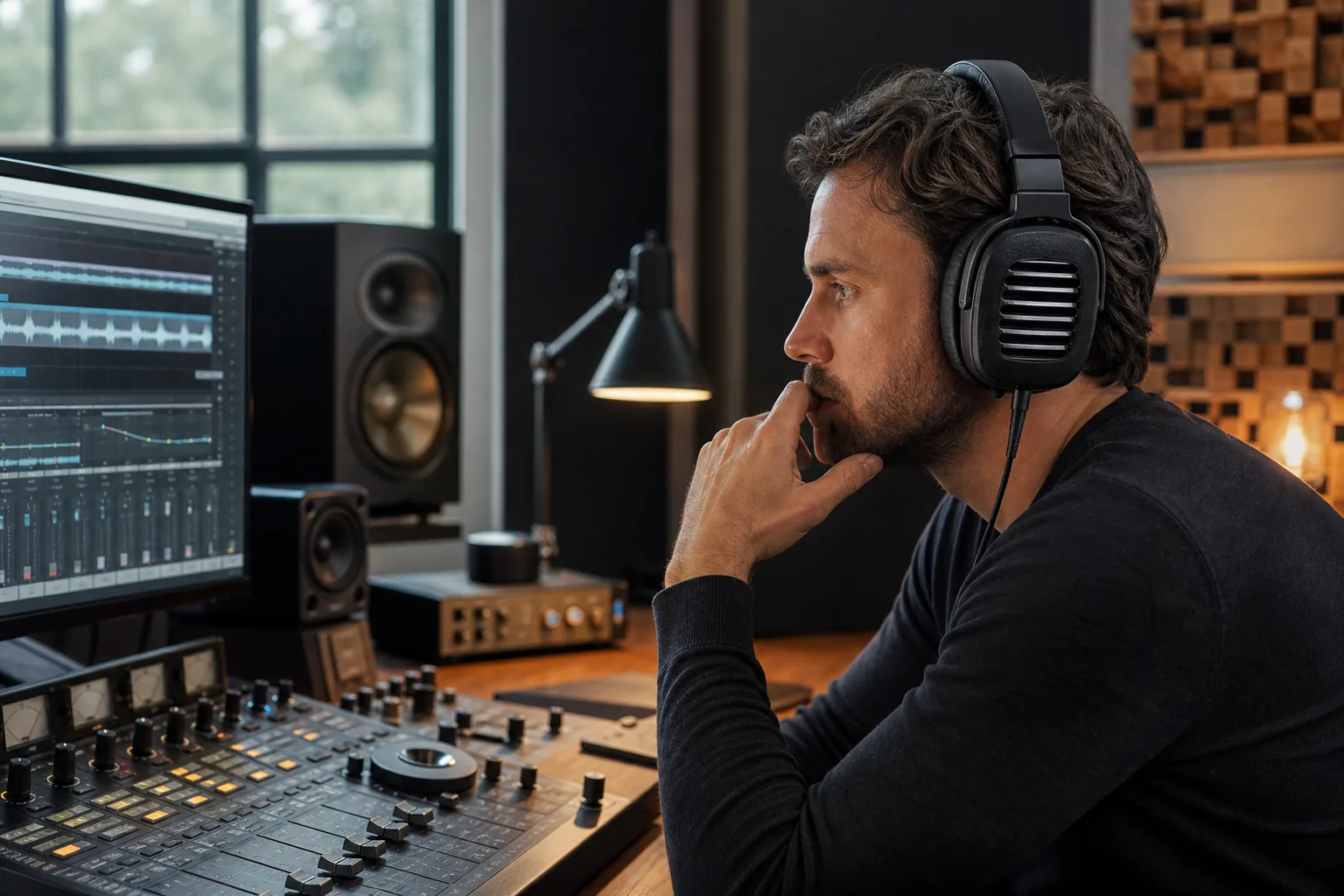
The listed frequency response is 10 Hz to 40 kHz, and impedance is 41 ohms. Higher price doesn't automatically mean higher impedance or a wider listed range. A driver design can be the main reason a premium model costs more.
Use this kind of headphone when you already know what your references sound like. A detailed pair can reveal a click at the front of a kick, a sharp consonant in a vocal, or a reverb tail that masks the next line. Those details matter after the song has a stable arrangement and a clean gain structure.
It is a poor first buy if your room is untreated or your interface is still noisy. A high-end headphone can't correct a clipped recording. It also can't tell you whether a bass line will overwhelm a car system unless you check the mix on more than one playback path.
That makes the HEDD HEDDphone Two a specialist choice, not an automatic winner for every home studio.
Buy it when your process already works and you need more detail for final calls. Spend less if you are still choosing a mic, interface, or first pair for vocal tracking.
How These Headphones Compare for Home Recording
The best headphones for home recording depend on the job. A vocalist needs isolation. A mixer needs a stable stereo picture. A beat maker may need one pair that can do both without draining the budget.
Pick | Best use | Design | Listed impedance | Main tradeoff |
|---|---|---|---|---|
Indepth Jay Beats | Finding beats and production support | Beat marketplace | — | You'll still need headphones |
Beyerdynamic DT 770 Pro X | Vocal and instrument tracking | Closed-back | 48 ohms | Less room feel for final mixing |
Audio-Technica ATH-M50x | Beginner beat work and monitoring | Closed-back | 38 ohms | Can make bass feel more forward |
Sennheiser HD 490 Pro Plus | Mixing and mastering | Open-back | 130 ohms | Not suited to close mic tracking |
Focal Listen Professional | Secure long-session monitoring | Closed-back | 32 ohms | Sealed sound needs outside checks |
HEDD HEDDphone Two | Learning and fine detail | Specialist design | 41 ohms | Premium cost without universal gains |
For most independent artists, start with a low-impedance closed-back model. The DT 770 Pro X fits vocal tracking, while the ATH-M50x keeps the first purchase flexible. If mixing is your main task, the HD 490 Pro Plus makes more sense, provided your interface can drive 130 ohms cleanly.
Impedance is only one part of the choice. A model with a lower number may play louder from a small interface, but loudness is not accuracy. Keep the level comfortable and compare against a reference track. A short break often tells you more than another hour of staring at specs.
Before buying, ask three plain questions:
Will the headphones leak into the vocal microphone?
Can your interface drive them at a comfortable level?
Do you need tracking isolation or an open mix view?
If your next move is finishing a song rather than buying more gear, Online Rap Mixing & Learning for Radio-Ready Tracks can help you hand off the recorded tracks for a cleaner final mix.
FAQ
What are the best headphones for home recording?
The best headphones for home recording depend on the task, but the Beyerdynamic DT 770 Pro X is a strong starting point for vocal tracking. Its closed design helps limit leakage, and its listed 48-ohm impedance suits many home interfaces. For mixing, an open model such as the Sennheiser HD 490 Pro Plus is a better fit.
Are open-back or closed-back headphones better for recording vocals?
Closed-back headphones are better for recording vocals because they reduce sound leaking from the cups into the microphone. Open-back headphones work better for mixing, where a more open sense of space can help with balance decisions. Keep both types in mind if you record and mix in the same room.
What impedance should home studio headphones have?
Low-impedance headphones are often the easiest match for a home studio interface. Many models in this shortlist sit below 100 ohms, but impedance alone doesn't prove compatibility. If your headphones sound weak at a safe level, check the interface's headphone output before buying an amp.
Can I mix music with closed-back headphones?
You can mix with closed-back headphones, especially during a home session where outside noise is a problem. The main risk is trusting their sealed low-end feel without checking another system. Use a reference track, take listening breaks, and test the mix on speakers or a second pair before release.
Do expensive headphones make mixes better?
Expensive headphones don't automatically make mixes better. Premium models may reveal more detail or use a different driver design, but higher price doesn't guarantee higher impedance or a wider listed frequency range. Your room, source tracks, monitoring level, and repeatable reference checks still carry more weight.
Conclusion
For most independent artists, start with the Beyerdynamic DT 770 Pro X for tracking or the Audio-Technica ATH-M50x for a flexible first pair. Then choose a beat that fits your voice through Indepth Jay Beats, record at a safe level, and check the finished mix on more than one system. Keep it clean, fam. Peace, Jason.

Get 20+ Free Beats delivered to your inbox
Drop your name and email and I'll send a pack to your inbox right away.
We respect your inbox, no spam. Promise!