Artist Development

Finding the right way to get your tracks on Spotify, Apple Music, TikTok and the rest can feel like a maze. Below are the top picks for indie artists, plus a quick cheat‑sheet to compare them.
Table of Contents
Indepth Jay Beats
DistroKid: Best for frequent independent releases
TuneCore: Best for artist‑controlled distribution and sync discovery
CD Baby: Best for single‑release flexibility
Amuse: Best for artists who want payment splitting
AWAL: Best for artists seeking selective label‑style support
How to Compare These Music Distribution Services
Conclusion
1. Indepth Jay Beats
Indepth Jay Beats is a beat marketplace that sells hip‑hop, trap, boom‑bap, and R&B instrumentals with clear licensing options.
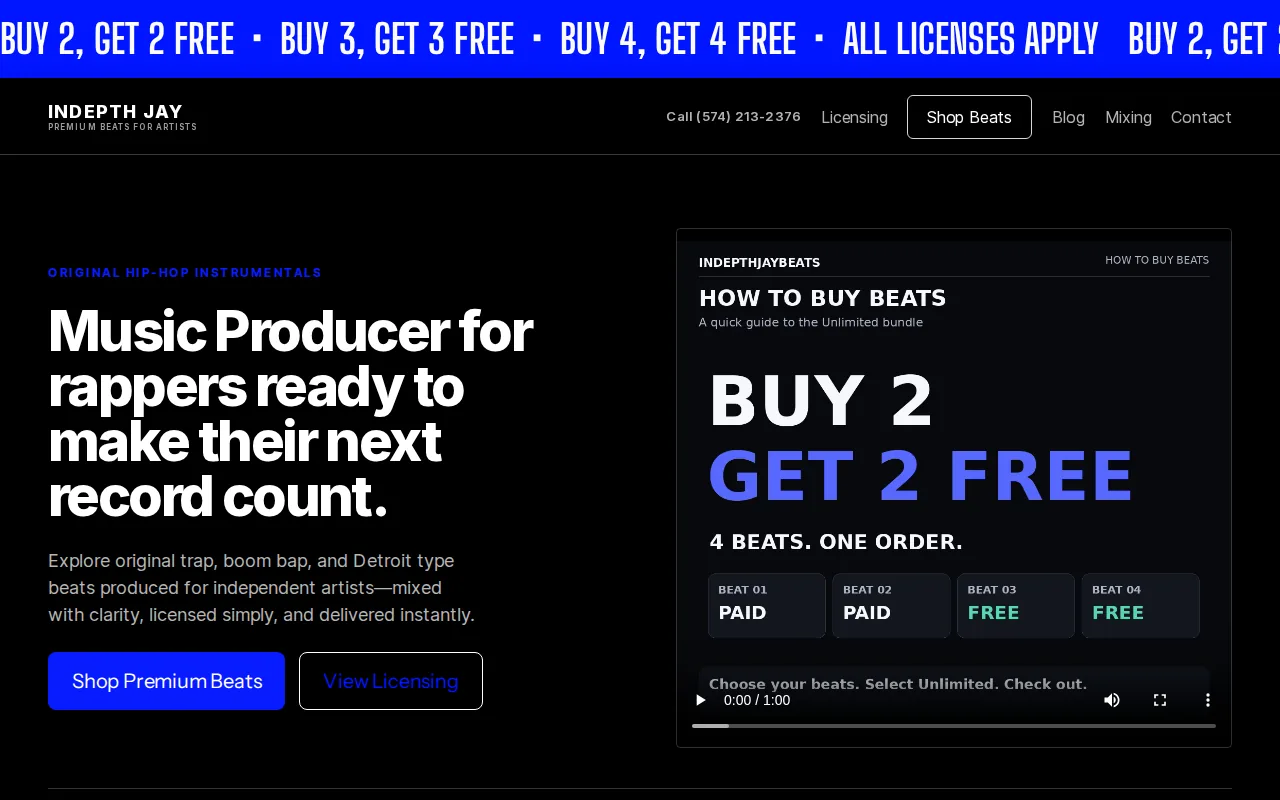
It’s built for independent rappers, singers, and content creators who need a professional sound fast. You can browse beats, grab stems, and lock in a license in minutes, so you spend more time recording and less time hunting for tracks.
The platform lets you choose a non‑exclusive lease for a low fee or buy exclusive rights if you want full ownership. That flexibility matches the way many indie artists release singles and mixtapes.
Because the beats are pre‑made, you won’t get the same “custom production” vibe as a private producer, but you get instant access to a ready-made beat library.
For detailed licensing tiers, check out our Beat Licensing Options, Prices, and Buying Guide. If you need a polished mix, our Online Rap Mixing & Learning for Radio-Ready Tracks service can take the raw stems to club‑ready quality.
Pro Tip: Pair a leased beat with a quick mix from our learning service to shave days off your release schedule.
2. DistroKid: Best for frequent independent releases
DistroKid is a service that puts your music on Spotify, Apple Music, TikTok, and 150+ platforms.
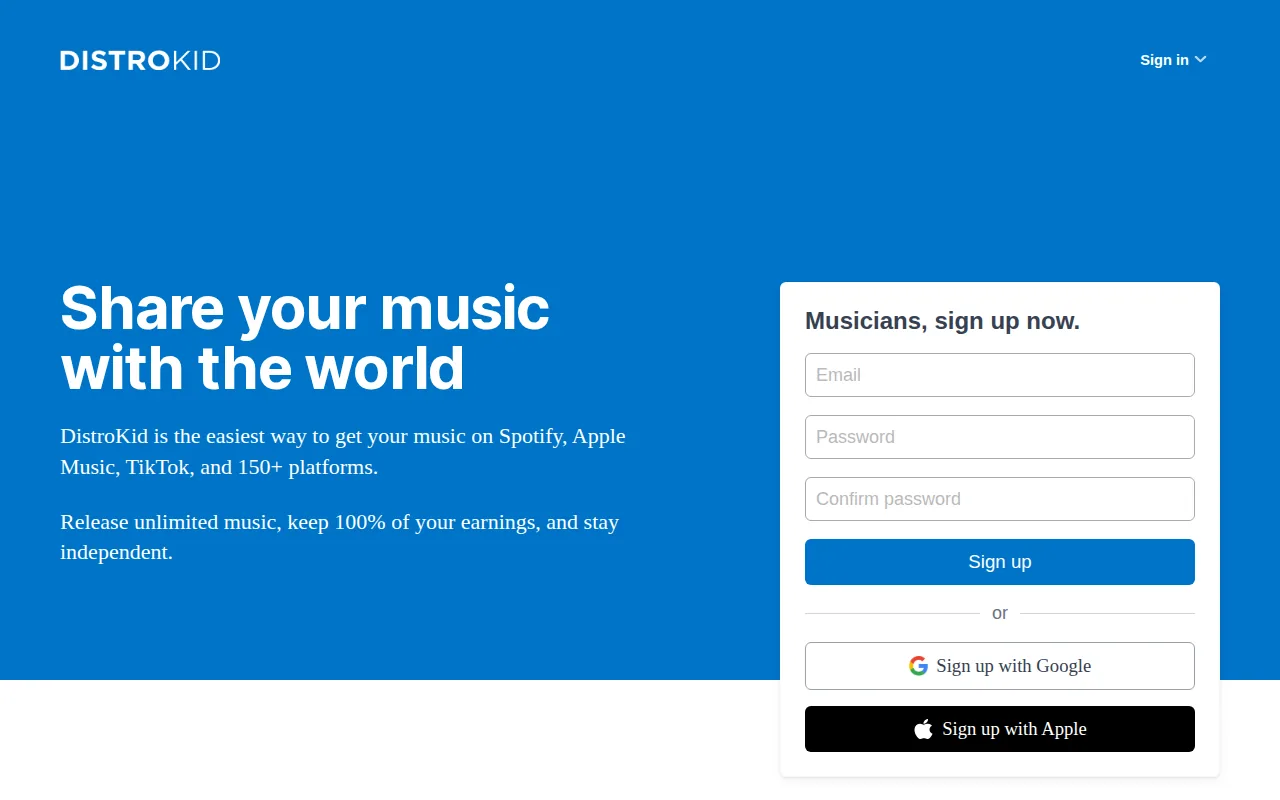
For $24.99 a year you can upload unlimited songs and albums, and you keep 100% of your royalties.
It’s a solid pick when you drop tracks often, the dashboard lets you push new releases in minutes, and the stats update daily.
Beyond basic distribution, DistroKid offers video distribution to Vevo and YouTube, merch store integration, and a simple split‑payment tool for collaborations.
The only downside is the lack of a human support line, help is mostly community‑based. Also, if you let the subscription lapse, your catalog disappears unless you pay the “Leave a Legacy” fee.
3. TuneCore: Best for artist‑controlled distribution and sync discovery
TuneCore lets you keep 100% of royalties while giving you control over how your music is presented on stores.

It offers a sync‑licensing portal that helps your tracks land in TV, film, and ads.
The platform also provides detailed sales reports, which are handy when you’re negotiating sync deals or planning tour budgets.
One limitation is that the annual cost can add up if you put out many singles. For artists who focus on a handful of releases each year, the price is still reasonable.
Check out our Trap Beat Mixing Best Practices for Producers guide to get the most out of your TuneCore releases.
4. CD Baby: Best for single‑release flexibility
CD Baby is a veteran distributor that charges a one‑time fee per release rather than a yearly subscription. Check its current single and album prices before you upload.

It takes a 9% commission on royalties, but there are no recurring fees, so you only pay when you sell.
The service covers 150+ streaming and download stores, including Spotify, Apple Music, TikTok, Amazon, and Pandora.
CD Baby also offers publishing administration, which can collect mechanical royalties you might otherwise miss.
Because the fee is per‑release, it works well for artists who drop a few singles a year and want a simple cost model.

Its dashboard is a bit dated, but the analytics are clear and you can pull sales statements for tax purposes.
5. Amuse: Best for artists who want payment splitting
Amuse offers a straightforward subscription at $23.99 per year and lets you split earnings with collaborators.

Check Amuse’s current plan terms for how royalties and collaborator splits are handled.
The service distributes to all the major stores and includes basic analytics.
It’s a good match for beatmakers who often co‑produce tracks and need an easy way to allocate revenue.
The main caveat is that Amuse doesn’t provide advanced sync pitching or playlist promotion tools.
6. AWAL: Best for artists seeking selective label‑style support
AWAL works like a boutique label that only signs artists it believes can break through.

It takes roughly a 15% commission on future royalties, but in return you get playlist pitching, sync opportunities, and marketing guidance.
AWAL’s roster includes a mix of emerging hip‑hop acts and genre‑spanning indie musicians.
Because entry is selective, you’ll need a solid catalog or a strong buzz to get in.
Once accepted, the service handles worldwide distribution and provides quarterly performance reports.
How to Compare These Music Distribution Services
Start by listing what matters most for your career.
Royalty split: Does the service let you keep 100%? If you’re okay with a commission, weigh the extra services they provide.
Pricing model: Unlimited annual plans work for frequent releasers. Per‑release fees suit occasional drop‑outs.
Reach: All the major stores are covered, but look for TikTok or YouTube Content ID if those channels drive your traffic.
Extra tools: Sync pitching, playlist pitching, merch stores, and split‑payment features can save you time and money.
Put these criteria into a simple spreadsheet and score each platform on a 1‑5 scale. The highest total usually points to the best fit.
What is the best service for a one‑song release?
You’ll likely save money with CD Baby’s one‑time fee, especially if you don’t need ongoing analytics.
Can I switch distributors without losing my streams?
Yes, keep the same ISRC codes when you move, and the streaming history stays attached to your tracks.
Do any distributors offer free tiers?
Plans and free tiers change often, so check each distributor’s current pricing page before you choose.
Which platform helps with playlist pitching?
AWAL provides dedicated playlist pitching, while DistroKid offers limited automated playlist submission.
How does payment splitting work?
Amuse includes a built‑in split‑payment tool that automatically divides earnings among collaborators.
Is there a distributor that handles both music and video?
DistroKid’s DistroVid service lets you push music videos to Vevo, Apple Music, and Tidal.
Conclusion
For most indie hip‑hop creators who drop music often, DistroKid gives the cheapest unlimited plan and full royalty ownership. If you need extra sync or label‑style support, give AWAL a try after you’ve built a modest catalog.
Key Takeaway: If you release often and want zero commission, DistroKid or TuneCore lead the pack. If you need sync support, AWAL or TuneCore are worth the cut.

Get 20+ Free Beats delivered to your inbox
Drop your name and email and I'll send a pack to your inbox right away.
We respect your inbox, no spam. Promise!