Leasing a beat is defined as obtaining a non-exclusive license to use an instrumental under specific terms. It does not transfer ownership of the beat to you. The producer keeps the copyright on the instrumental, and you own your vocal performance and lyrics. That is the core reality of beat leasing ownership every independent artist needs to understand before dropping a single dollar on a lease.
Do I own the song if I lease the beat?
The short answer is no, not fully. A non-exclusive lease grants you permission to use the beat, not ownership of it. Think of it like renting an apartment. You have the right to live there, decorate it, and call it home for a while, but you cannot sell the building. The producer is the landlord, and the beat is the property.
What you do own is your contribution. Your lyrics, your vocal performance, and your creative arrangement belong to you. The instrumental composition stays with the producer. That split is the foundation of every beat lease agreement in the industry.
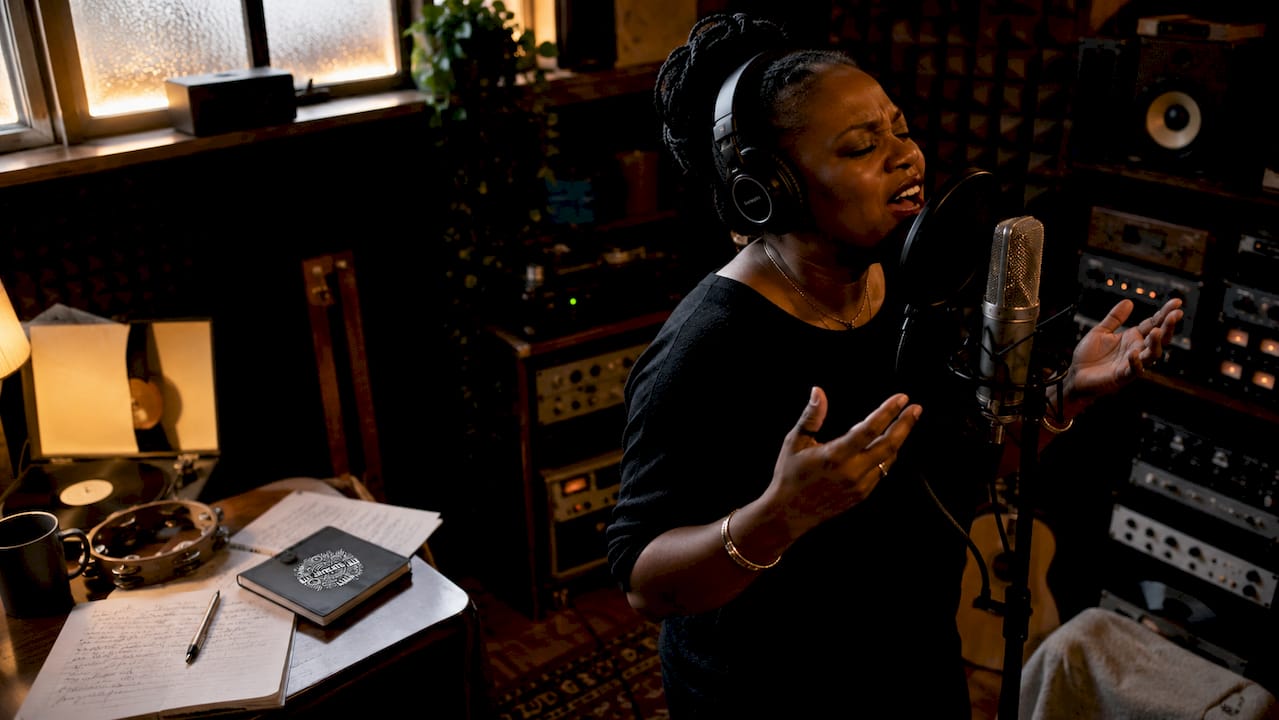
The legal term for what you receive is a non-exclusive license. Under this structure, the producer can lease the same beat to multiple artists at the same time. That means another rapper could drop a song on the exact same instrumental the same week you do. That is not a loophole. That is how non-exclusive leasing works by design.
Publishing rights add another layer. Standard non-exclusive leases are royalty-free on the master side, but they typically require a composition publishing split, often 50/50 between you and the producer. Organizations like ASCAP, BMI, and SESAC manage those publishing rights. Your contract must spell out who registers the composition and how royalties flow, or disputes will follow.
Usage caps: Most leases limit streams, downloads, and sales. Exceeding those caps can void your license.
Duration limits: Leases often expire after a set period, typically one to two years.
Monetization restrictions: Some leases block you from monetizing on YouTube or other platforms without an upgrade.
Credit requirements: Most contracts require you to credit the producer in your song title or description.
Content ID restrictions: You cannot register the instrumental with Content ID. Doing so creates false claims against other artists using the same beat legally.
Pro Tip: Read every line of your lease before you record. The contract is the rulebook, not the receipt. Violating terms like stream caps can get your license terminated and expose you to copyright claims.
How leasing differs from exclusive rights and buying beats outright
Exclusive licenses and outright purchases operate on a completely different level than standard leases. An exclusive license removes the beat from the market so no other artist can lease or buy it after you. That gives your song a unique sound that a non-exclusive lease cannot guarantee.
Here is where artists get tripped up. The word “exclusive” on a marketplace listing does not automatically mean you own the beat. Ownership only transfers when the contract explicitly assigns the copyright to you. That is called a copyright assignment, and it is a separate legal act from simply purchasing an exclusive license. Contract wording is paramount, not the label on the product page.
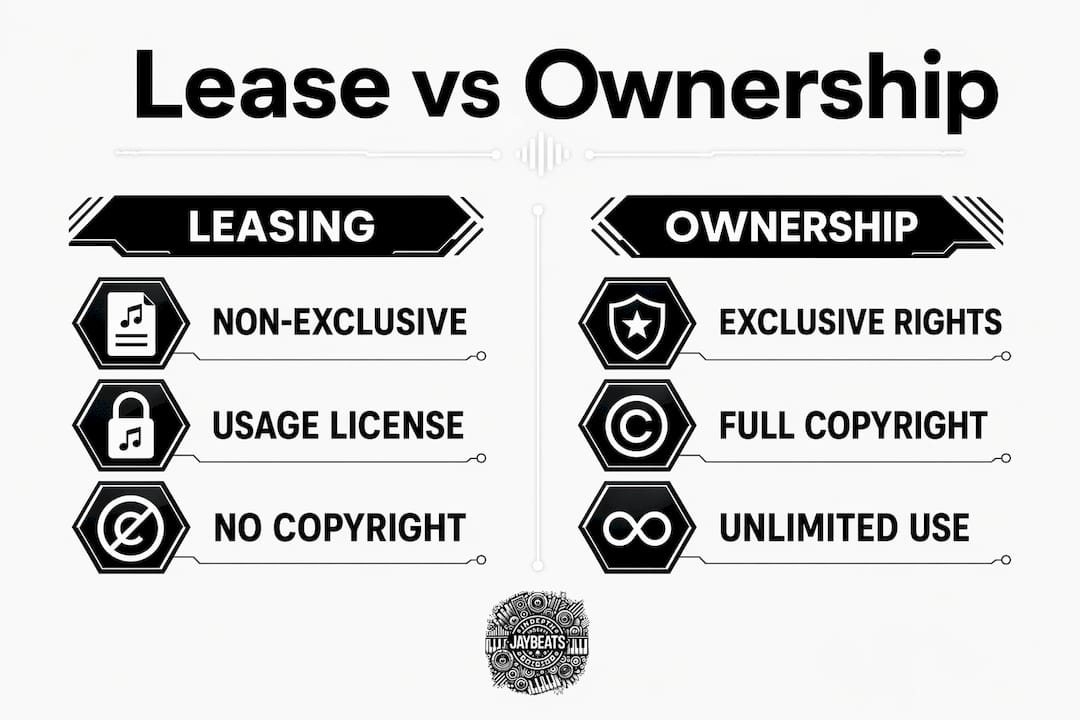
Buying a beat outright with a full copyright assignment is the only way to claim the instrumental as your own. At that point, you can register the full song with the U.S. Copyright Office, block others from using it, and control every revenue stream. That level of control matters most when you are pitching music for film, TV, or major label deals.
Rights Type | Beat Ownership | Exclusivity | Usage Limits | Publishing Split |
|---|---|---|---|---|
Non-exclusive lease | Producer retains | No | Yes (streams, sales) | Typically 50/50 |
Exclusive license | Producer retains | Yes | Sometimes | Negotiable |
Full copyright purchase | Transfers to artist | Yes | None | Artist controls |
The table above shows why artists chasing sync placements or building a brand around a signature sound need to think beyond leasing. Indepthjaybeats offers both lease and exclusive options, so you can match the deal to where you are in your career right now.
Pro Tip: If a song you recorded on a leased beat starts gaining real traction, contact the producer immediately about upgrading to an exclusive license before someone else buys it out from under you.
What rights do you actually own when you lease a beat?
You own more than most artists realize, but less than most assume. Here is a clear breakdown of what belongs to you after signing a standard beat lease.
Your vocal performance. The sound recording of your voice is yours. You can register that master recording with the U.S. Copyright Office under your name.
Your lyrics. Every word you wrote belongs to you as a literary work. No producer can claim your bars.
Distribution rights within lease limits. You can release the song on Spotify, Apple Music, and other platforms as long as you stay within the stream and sales caps in your contract.
Monetization rights within scope. You can earn money from the song, but only up to the thresholds your lease allows. Exceed those, and you need to upgrade or renew.
Performance rights. You can perform the song live. Most leases do not restrict live performances, but check your contract to confirm.
What you do not own is the instrumental composition. Adding lyrics to a leased beat does not create joint ownership of the beat. Joint authorship under U.S. copyright law requires clear intent and a signed written agreement. Without that, the producer keeps full rights to the instrumental no matter how many verses you lay down.
You also cannot register the instrumental with Content ID. Registering a leased beat with Content ID creates false claims against every other artist who legally licensed the same beat. That is a fast way to burn bridges with producers and land in a copyright dispute.
Practical tips for protecting your rights when leasing beats
Knowing your rights is only half the battle. Protecting them takes discipline and attention to detail.
Read the full contract before you pay. A beat lease is a legal rulebook. Violations of contract terms like exceeding usage caps can terminate your license and trigger infringement claims. No song is worth that risk.
Track your stream and sales numbers. Set a reminder to check your numbers against your lease limits every month. When you get close to the cap, either upgrade your license or stop pushing the song commercially.
Clarify publishing splits upfront. Ask the producer directly how they handle publishing. Confirm whether they are registered with ASCAP, BMI, or SESAC and how royalties will be reported. Clear publishing arrangements prevent disputes down the road.
Negotiate renewal and upgrade options. Ask for a right of first refusal on the exclusive license before you sign. That gives you the option to buy exclusivity if the song pops before someone else can snatch it.
Get legal help for unclear language. If a contract clause confuses you, pay for one hour with an entertainment attorney. That investment protects years of work.
Credit the producer correctly. Most leases require a specific credit format. Follow it exactly. Skipping producer credits is a breach of contract and damages your relationship with producers who could help your career.
Pro Tip: Never assume a lease auto-renews. Most do not. Set a calendar alert 60 days before your lease expires so you have time to renew or upgrade without a gap in your rights.
Understanding what your contract covers before you sign is the single most important move you can make as an independent artist.
Key Takeaways
Leasing a beat grants limited usage rights only. The producer retains the instrumental copyright, and artists own their vocals, lyrics, and master recording within the terms of the lease.
Point | Details |
|---|---|
Leasing is not ownership | A non-exclusive lease gives usage rights only; the producer keeps the beat’s copyright. |
You own your vocals and lyrics | Your performance and written lyrics belong to you regardless of lease type. |
Publishing splits are mandatory | Most leases require a 50/50 composition split with ASCAP, BMI, or SESAC involvement. |
Exclusive beats offer more control | Exclusive licenses remove the beat from the market but do not transfer copyright unless stated. |
Contract terms override everything | Usage caps, duration, and credit rules in the contract govern your rights completely. |
What I’ve learned after 20 years of watching artists get this wrong
Artists come to me all the time thinking they own a song just because they paid for a lease. That mindset has cost people real money and real opportunities. I have been producing since 2004, and the number one mistake I see is artists treating a lease like a purchase receipt. It is not.
The contract is everything. I have seen artists blow up on a leased beat, hit the stream cap, and suddenly find their song getting flagged because they never upgraded the license. That is not the producer being shady. That is the artist not reading what they signed. Producer contracts are not traps. They are agreements that protect both sides, and they only become problems when one side ignores them.
Leasing is a real tool for building your catalog when you are working with a limited budget. I respect that grind. But use it smart. Lease the beat, record the song, test it with your audience. If it gets traction, go back and lock in the exclusive before someone else does. That is how you turn a $30 lease into a career asset.
The artists who win long-term treat every contract like a business deal, because it is one. Know what you own. Know what you do not. And build from there.
— Indepthjaybeats
Beats with clear licensing terms for every stage of your career
Indepthjaybeats has been in the game since 2007, producing trap and boom bap beats that have landed in major placements including WWE 2K25 and Love and Hip Hop Atlanta. Every beat comes with transparent licensing terms so you know exactly what you are getting before you record.

Whether you need a non-exclusive lease to test a record or a full exclusive to lock down your sound, the catalog covers both. Browse trap and boom bap beats with lease and exclusive options clearly listed. Artists looking for hard 808 production can check the full trap beats selection. Once your track is done, the mixing and mastering service gets it radio-ready. The licensing page at Indepthjaybeats breaks down every tier so you can pick the right deal for where you are right now.
FAQ
Does leasing a beat mean I own the song?
Leasing a beat gives you a non-exclusive license to use the instrumental, not ownership of it. You own your vocals and lyrics, but the producer retains the copyright on the beat.
Can two artists release songs on the same leased beat?
Yes. A non-exclusive lease allows the producer to license the same beat to multiple artists simultaneously. That is a standard feature of non-exclusive leasing, not a violation.
What happens if I exceed the stream limit on my lease?
Exceeding the stream or sales cap in your lease agreement can terminate your license and expose you to copyright infringement claims. Monitor your numbers and upgrade your license before hitting the limit.
Does buying an exclusive beat mean I own the beat’s copyright?
Not automatically. An exclusive license removes the beat from the market but does not transfer copyright unless the contract explicitly includes a copyright assignment. Always confirm this in writing.
Do I need to credit the producer when I release a leased beat?
Most lease agreements require producer credit in a specific format, such as “Prod. by [Producer Name]” in the song title or description. Skipping this credit is a breach of contract and can damage your standing with producers.
Recommended

Get 20+ Free Beats delivered to your inbox
Drop your name and email and I'll send a pack to your inbox right away.
We respect your inbox, no spam. Promise!