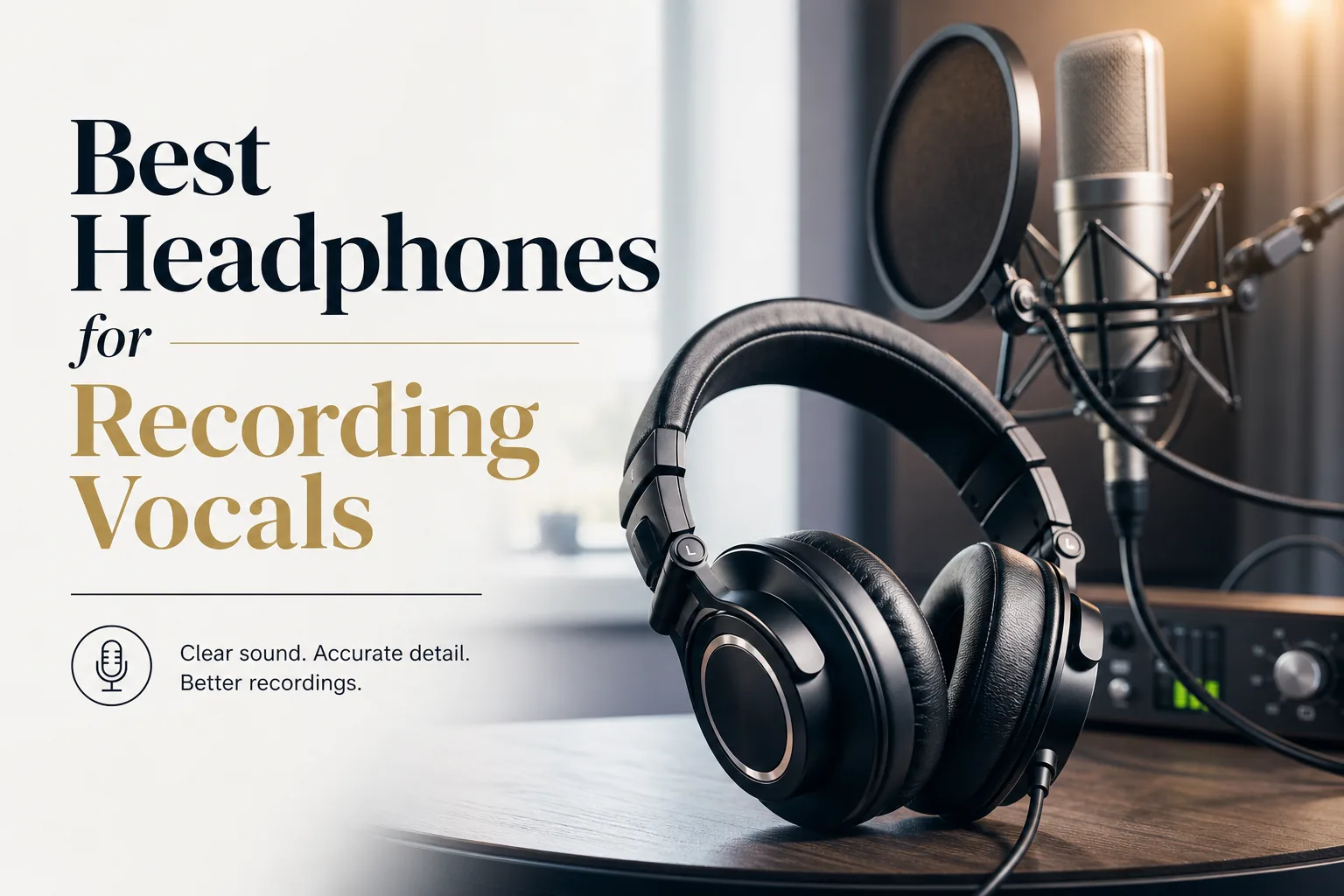
The best headphones for recording vocals need to do one job first: let you hear your take without sending the beat back into the mic. Most vocal-tracking picks use closed-back cups for that reason. But an open-back design can still win for a certain vocal sound, especially deep male vocals with grit and weight.
Here are six useful picks for independent rappers, singers, and home-studio producers. Each one fits a different session, so you can spend less time chasing specs and more time getting the take.
Table of Contents
Philips SHP9500, Best for hearing vocal detail in an open-back design
Sennheiser HD25, Best for clear lyrics and portable tracking
1. Indepth Jay Beats
Indepth Jay Beats is a beat marketplace and production service for artists who need a strong song bed before they step to the mic. It isn't a headphone brand. It earns the first spot here because the right monitoring choice starts with the record itself.
When you choose a trap, boom-bap, hip hop, or R&B instrumental, your headphones need to help you judge the vocal against the beat. A busy 808 line can hide low notes. Bright hats can make you push your voice too hard. A sparse boom-bap beat may reveal every breath, mouth sound, and pitch shift.
I produce for independent artists, so I look at headphones as part of the full recording chain. The beat sets the space. The headphones tell you how much room your vocal has inside it. If the instrumental already has a dense hook, you may want a headphone with clear mids. If the beat is open, comfort may matter more during repeated takes.
Indepth Jay Beats sells licensing options for MP3, WAV, and stems. Stems are the separate track files you can remix or rebalance. That matters when you record a vocal and later find that the kick or sample masks your words. A licensed stem package gives you more control at mix time.
Use the headphones you plan to track with when you test a beat. Listen for the space around the snare. Check if the bass makes you lose the vocal. Then record a short scratch take before you commit to a full verse.
Key Takeaway: Pick the beat and monitoring setup together, because a headphone that sounds clear on one instrumental may feel crowded on another.
If you need a beat for the session, browse beat licensing options for MP3, WAV, and stems before you record. Read the license terms first. Then give yourself room to write.
2. Sony MDR-7506, Best proven studio value for singers
The Sony MDR-7506 is a closed-back studio headphone for singers who want a familiar tracking sound and clear vocal detail. Its listed frequency response is 10 to 20,000 Hz, and the model is specifically recommended for musicians who need headphones for recording.
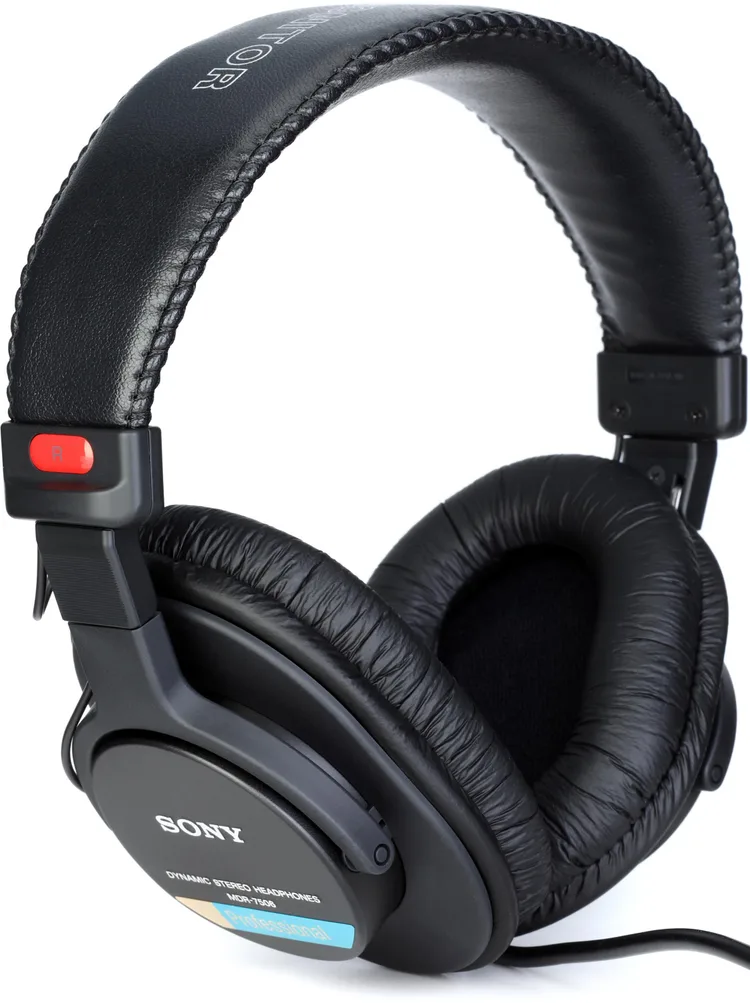
That range does not tell you everything about how a headphone sounds. Still, it gives you a useful frame. You can hear the main vocal band without relying on a huge bass lift to make the track feel exciting.
For a singer, that can make pitch work easier. You hear the guide vocal and the instrumental without turning the entire mix up. For a rapper, the crisp presentation can help with consonants. That matters when you are checking words such as “k,” “t,” and “s” before sending a rough mix to someone else.
The closed-back design also makes sense when the mic is close to your mouth. A loud click track or instrumental can leak from the ear cups into the mic. That bleed may sound small while you track, but it becomes harder to remove once you start compressing the vocal.
The main caveat is that bright detail can become tiring during a long session. If you start turning the volume up to chase more detail, stop. A headphone is not a vocal coach, and louder monitoring won't fix a weak cue mix.
Use case | Why it fits | Watch for |
|---|---|---|
Lead vocal tracking | Closed-back design helps limit bleed | Bright detail may tire some ears |
Rap takes | Clear presentation helps with lyrics | Don't use high volume to force detail |
Home studios | Simple wired setup suits a direct session | Check your interface output before tracking |
Mix decisions | Useful for hearing vocal presence | Cross-check with speakers before final calls |
The model has stayed relevant because it gives a singer a plain, direct view of the take.
Pair it with a low-volume cue mix. Keep the instrumental loud enough for timing, then leave space for your own voice.
3. Aune SR7000, Best for natural vocal body and timbre
The Aune SR7000 is a closed-back headphone for vocalists who want to hear body in both male and female voices. Its listed impedance is 57 ohms, with sensitivity listed at 106 dB per 1 Vrms at 1 kHz.
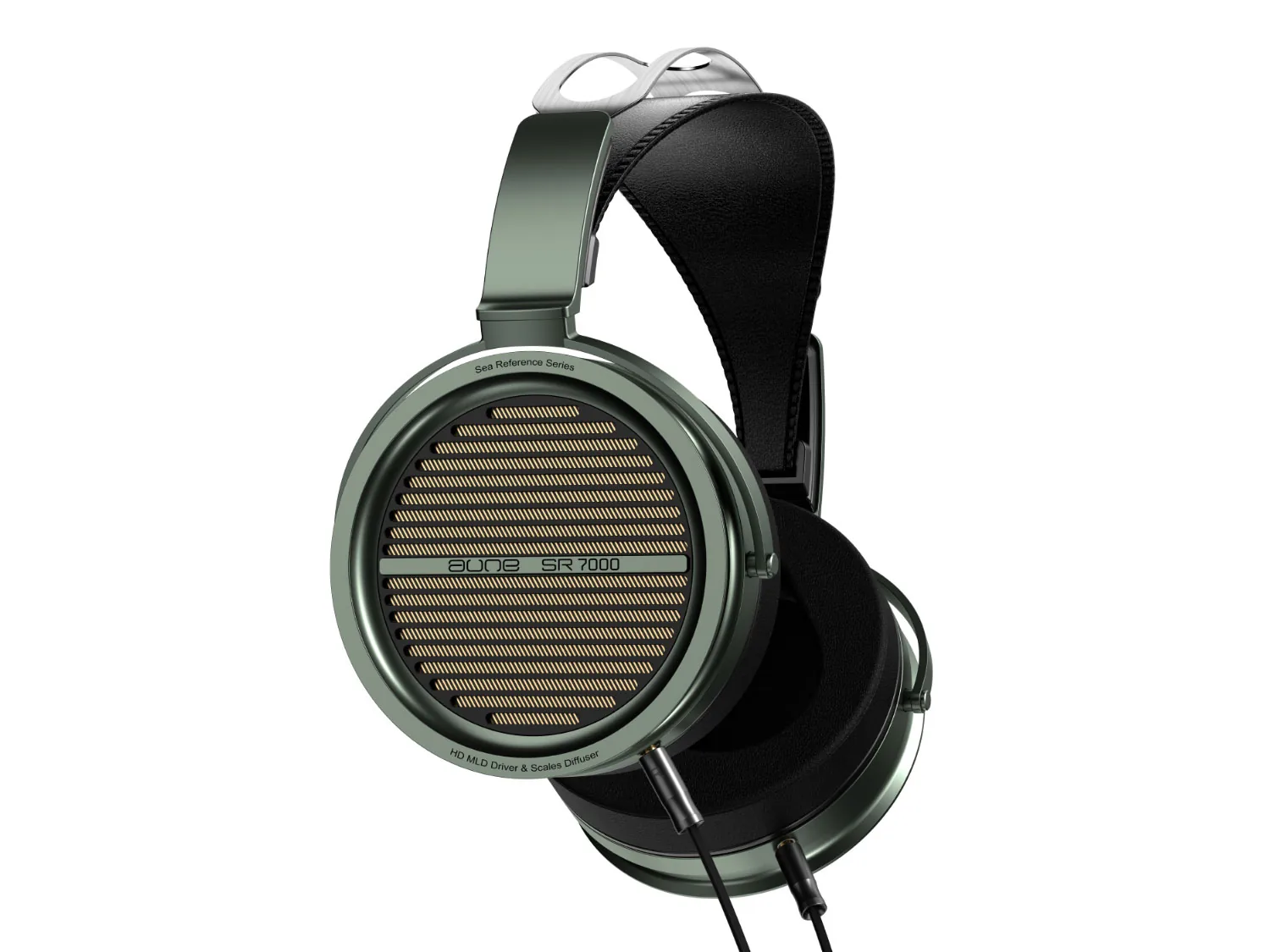
Those numbers matter when you connect the headphones to different gear. A headphone's impedance describes the electrical load seen by the source. Sensitivity gives you a clue about how much level the headphone can produce from a given input. They don't tell you whether the vocal sounds natural, but they help you think about the interface or headphone amp driving it.
The main reason to consider this model is timbre. A vocal can sound thin when the headphone pushes too much upper detail or cuts the sense of chest and throat. The SR7000 is described as giving voices a good sense of body while keeping male and female vocals close to their expected tone.
That can help when you record a singer with a low register. You may hear whether the note has weight or whether the singer is forcing it. It can also help with softer R&B parts where breath and tone carry more emotion than raw volume.
Closed-back cups make it suitable for tracking. You can keep the cue mix inside the headphones while the singer works near the mic. That is the normal tradeoff in a home studio: a little less air around the sound, but much less chance of beat bleed.
The limitation is fit and chain matching. A headphone that sounds full on one interface may feel less controlled on another. Test the SR7000 with your own cue mix before using it for a whole project.
Choose this one when you want your singer's tone to feel present and grounded. If you mainly need a cheap spare pair for guests, the extra focus on timbre may be more than you need.
4. FiiO FT1, Best for clear, articulate vocal mids
The FiiO FT1 is a closed-back headphone for rappers and singers who need clear mids during a take. Its listed impedance is 36 ohms, and its sensitivity is listed at 113 dB per Vrms at 1 kHz.
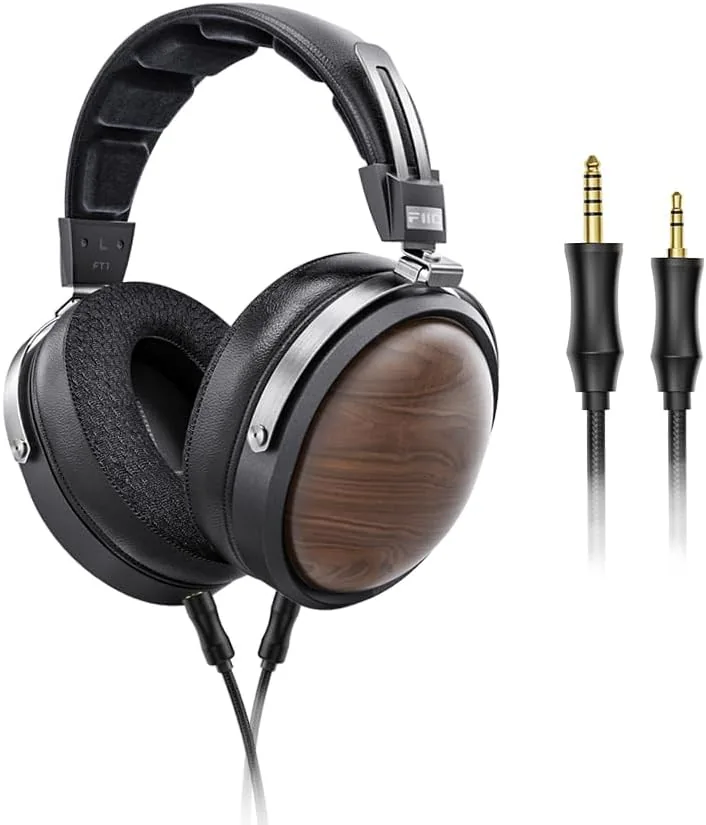
The midrange is where much of your vocal identity lives. It carries the shape of words, the edge of a rap delivery, and the tone that tells you whether a singer is close to the mic. If that area feels cloudy, you may push your voice harder than the song needs.
The FT1 is described as giving vocals clear and articulate mids with accurate vocal rendering. That makes it a good fit for artists who record dense arrangements. Trap beats can stack hats, synths, 808s, and ad-libs into a small space. A clear vocal cue helps you place each phrase without guessing.
The models with available impedance figures run from 36 to 57 ohms. In plain terms, that range is a reasonable starting point for many studio interfaces and portable sources, though you should still test the actual output.
Don't confuse easy drive with perfect tracking. A headphone can get loud and still make the cue mix feel harsh. Set the level low enough that you can hear your own voice without shouting into the mic.
The main caveat is that clear mids can expose a rough recording. That is useful when you want to fix distance, breath control, or diction. It may feel less flattering when you are trying to stay loose during a first take.
Pro Tip: Record one short verse with the beat low in the cue mix. If the lyrics stay clear, your monitoring level is doing its job.
For artists building trap records, pair vocal monitoring with sensible beat balance. These trap beat mixing practices for producers can help you hear why a vocal feels buried before you blame the headphones.
5. Philips SHP9500, Best for hearing vocal detail in an open-back design
The Philips SHP9500 is an open-back headphone for artists who want an airy view of vocal detail. It is described as having extra emphasis in the lower midrange and upper treble, which can help vocals stay clear.
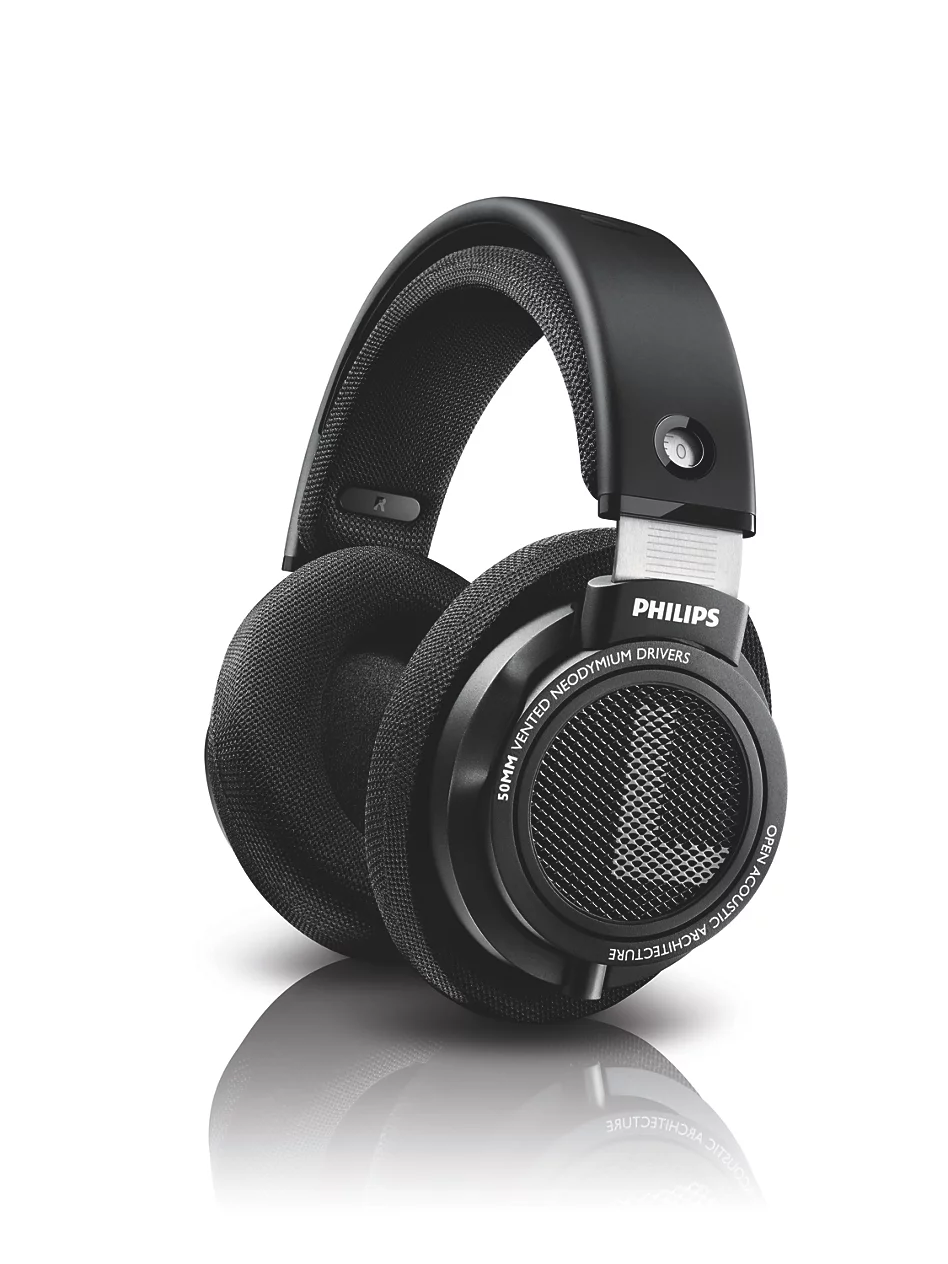
Open-back headphones let air move through the ear cups. That can make a vocal feel less boxed in. You may hear the placement of a singer inside the beat more easily, along with small changes in breath and tone.
There is a catch. Open-back designs usually make poor tracking choices when the mic can hear the headphones. The beat may leak into the vocal. That leak can become obvious after compression, saturation, or a loud vocal boost.
So where does the SHP9500 fit? Use it after the take, during editing, or when you are working away from the microphone. It can help you hear whether a vocal sits naturally over the instrumental. It can also make a useful second opinion beside closed-back tracking headphones.
The lower midrange and upper treble emphasis can help words stand out. That is useful for rap lyrics and vocal harmonies. But the extra detail can also make sibilance seem more severe than it feels on other systems.
Wikipedia's headphones reference explains the basic distinction between open-back and closed-back designs. That distinction matters here because the SHP9500 is better treated as a listen-back tool than a default vocal-tracking pair.
Comfort is another reason this model stays in the conversation. Long editing passes can involve hundreds of small cuts. If your ears feel trapped, you may rush. An open design can feel more relaxed in a quiet room.
Use it when the mic is off. For live vocal tracking, keep a closed-back pair nearby.
6. Sennheiser HD25, Best for clear lyrics and portable tracking
The Sennheiser HD25 is an on-ear headphone for artists who need lyrics and details to stay easy to follow. It makes sense for portable tracking, quick vocal demos, and sessions where you need a compact pair that does not take over the room.
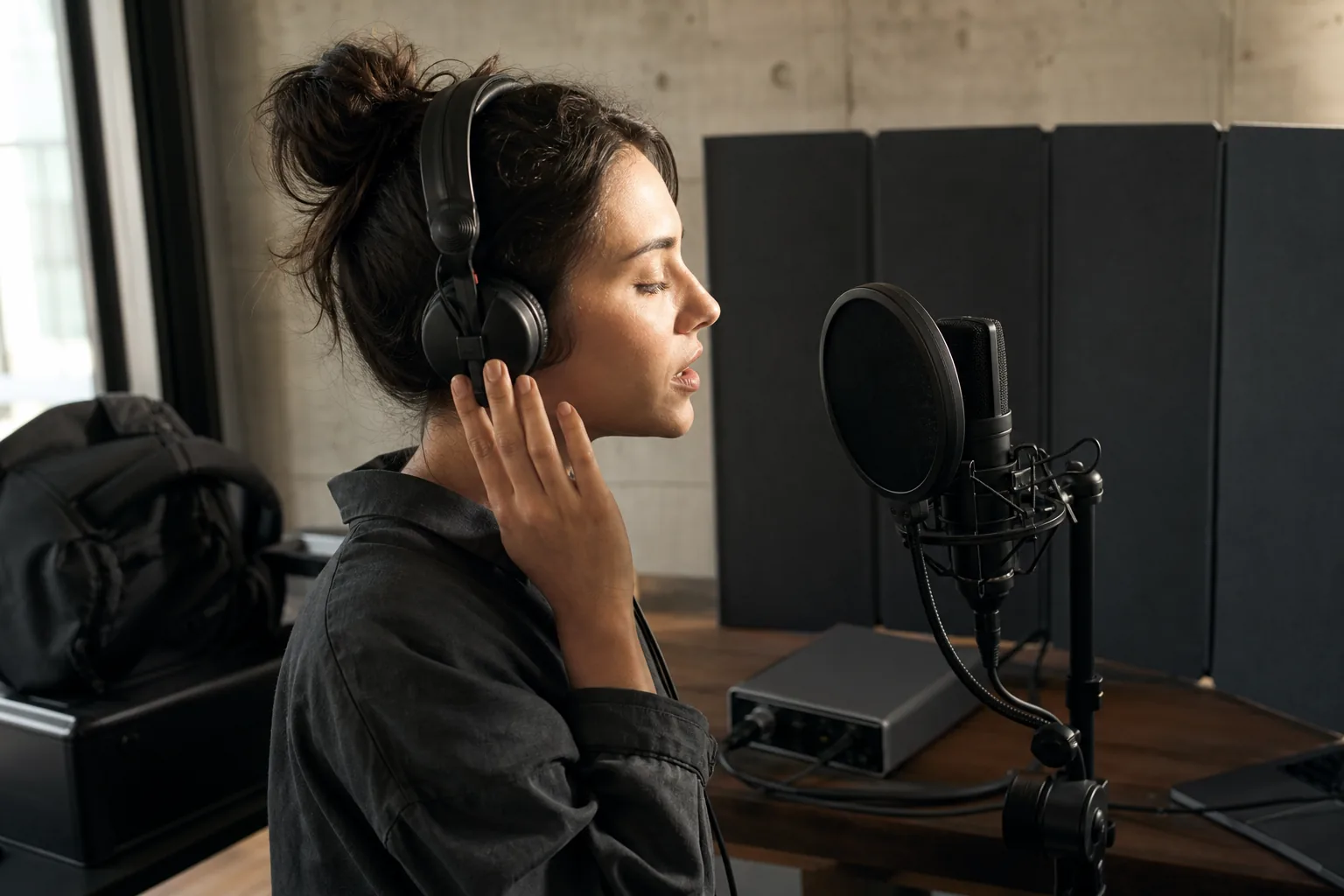
On-ear cups sit on the ear instead of around it. That changes the feel of the session. Some singers like the lighter, more direct sensation. Others prefer the seal of an over-ear design. Fit is personal, so pay attention to pressure during a full verse rather than judging it from a ten-second listen.
The strongest case for the HD25 is lyric focus. A rapper can hear each word while the instrumental stays present. A singer can follow a guide vocal without turning the cue mix into a wall of sound.
That detail is useful when you are recording outside a treated room. Portable sessions often have more background noise. You may work in a bedroom, rehearsal space, or temporary setup where the room is part of the problem. A focused headphone can help you stay with the take, though it cannot remove room noise from the mic.
The caveat is that on-ear comfort varies more than over-ear comfort. If the pads press too hard, you may adjust the headphones between lines. That movement can distract you and may change how you hear your own voice.
It is also worth remembering that detail is not the same as a finished mix. Listen for the lyric and timing while tracking. Then check the vocal on another system before you make EQ choices.
Key Takeaway: Pick the HD25 when lyric focus and portability matter more than a wide, relaxed listening feel.
If your scratch take exposes pitch or timing problems, fix those before reaching for heavy processing. A good cue mix should help you perform. It should not make you chase every tiny sound while the song is still finding its shape.
FAQ
Are closed-back headphones better for recording vocals?
Closed-back headphones are usually better for recording vocals because they reduce the amount of beat sound that reaches the microphone. That makes them the safer pick for singers and rappers working close to a mic. You should still keep the cue mix quiet enough to avoid leakage, since no headphone seal blocks every sound.
Can I use open-back headphones to record vocals?
You can use open-back headphones to record vocals, but they carry a higher bleed risk. They work better for editing or checking a take after the mic is off. The Philips SHP9500 and Sony MDR-MV1 show why open designs can sound appealing, especially when you want air or a fuller vocal impression.
What headphone impedance is best for vocal recording?
There is no single best impedance for vocal recording, but moderate values can suit many interfaces. The researched models with available figures range from 36 to 57 ohms. Check the output power of your interface, then test for clean volume without distortion. Loudness alone does not prove that the match is right.
Should vocal headphones sound bright?
Vocal headphones can have some upper detail, but too much brightness may make long sessions tiring. A little treble emphasis can help with lyrics and consonants. It can also make sibilance feel worse than it is. Use a short test take and compare the vocal at a low monitoring level.
Do I need different headphones for tracking and mixing?
You may benefit from different headphones for tracking and mixing because each task has a different goal. Tracking needs low bleed and clear timing. Mixing needs a balanced view that you can cross-check with speakers. Even one closed-back pair can work for both, as long as you avoid making final mix calls from headphones alone.
Conclusion
For most home vocal sessions, start with a closed-back model that keeps the beat out of the mic and the lyrics easy to hear. The Sony MDR-7506 is the safest familiar pick, while the Aune SR7000 and FiiO FT1 suit artists who care more about vocal tone or midrange detail. Pick a beat from Indepth Jay Beats' home-studio monitoring advice, test one short take, and trust what helps you perform.

Get 20+ Free Beats delivered to your inbox
Drop your name and email and I'll send a pack to your inbox right away.
We respect your inbox, no spam. Promise!