Music industry problems are defined as the structural, financial, and technological barriers that prevent artists from earning fairly, owning their audience, and building sustainable careers. These obstacles hit independent artists hardest. Streaming platforms like Spotify and Deezer now host tens of millions of tracks, AI-generated content floods discovery feeds daily, and companies like Live Nation control live music access at scale. The result is a system where you can release great music, tour hard, and still lose money. Understanding these challenges is not optional. It is the foundation of every smart career decision you make from here on out.
What are the biggest music industry problems right now?
Streaming oversaturation is the most visible crisis facing independent artists today. Over 100,000 songs are uploaded daily, and on platforms like Deezer, AI-generated tracks account for 34% of new uploads. That number means your release competes not just with other human artists, but with machines that produce content at zero cost and infinite volume.
The financial picture is just as bleak. Spotify posted an operating income of €701 million in Q4 2025 with a gross margin of 33.1%. The platform profits. Artists, especially independent ones, do not share proportionally in that growth. Revenue per stream has declined compared to earlier models, and the gap between platform earnings and artist payouts keeps widening.
AI fraud compounds the problem further. Spotify removed over 75 million fraudulent or spammy AI tracks within a single year. Each fraudulent stream diverts royalty pool money away from real artists. The scale of this theft is not abstract. It directly reduces your check.
Streaming platforms host tens of millions of tracks with no quality filter
AI content floods feeds and distorts royalty distribution
Platform profits grow while per-stream artist payouts shrink
Discovery algorithms favor volume and engagement signals, not artistic quality
Independent artists without label marketing budgets get buried fastest
Pro Tip: Focus on building a distinct sound and a loyal core audience rather than chasing upload volume. Ten thousand real fans who share your music beat ten million passive listeners every time.
How do touring costs crush independent artists financially?
Touring looks like the answer to streaming’s low payouts. For most independent artists, it is not. The operational costs of live performance have risen sharply, and the math rarely works in your favor.
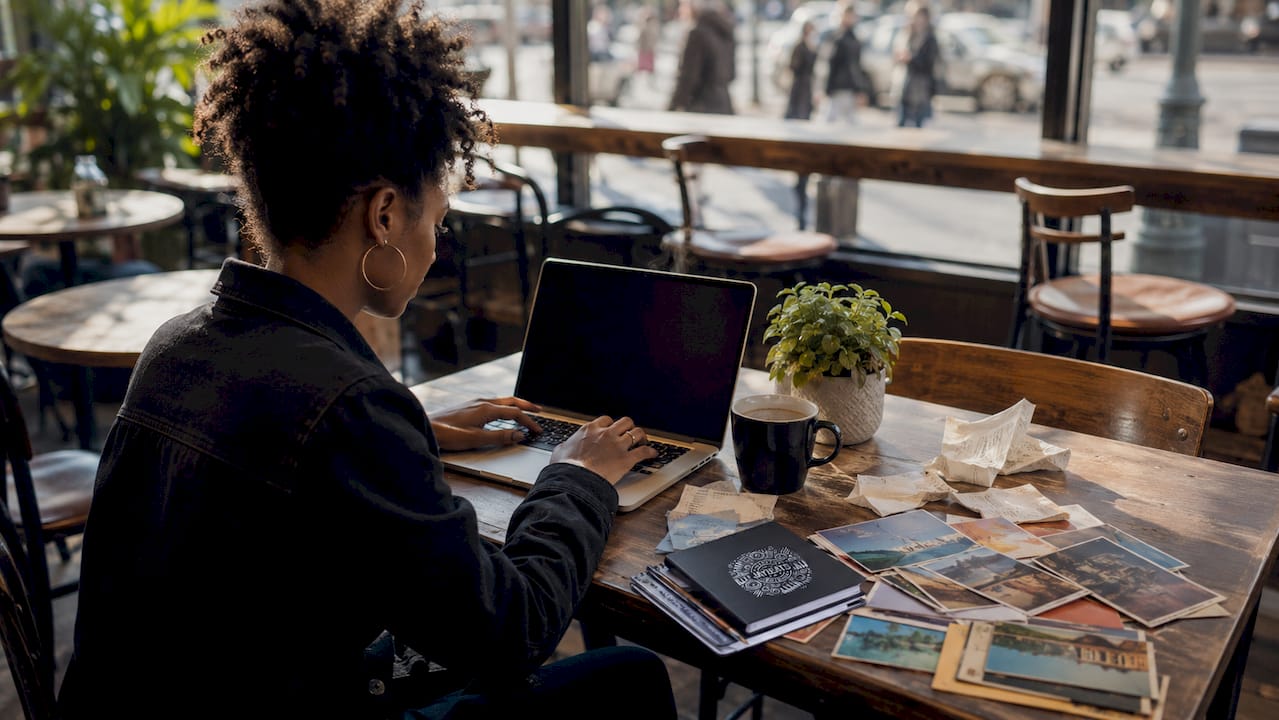
One of the most striking examples involves Performing Rights Organizations, or PROs. An independent artist can pay $15,000 or more in PRO fees during a tour but receive as little as $26 back in royalties. That is not a typo. Blanket licensing forces venues and artists to pay flat fees regardless of actual performance royalties earned. Independent venues are now calling for the dismantling of this system because it punishes small operators and emerging artists most.
Post-Brexit border rules have added another layer of cost for artists touring between the UK and Europe. Work permits, carnets for equipment, and increased customs documentation all add up. These are not problems that major label acts feel. Their infrastructure absorbs the cost. You absorb it personally.
Cost Category | Impact on Independent Artists |
|---|---|
PRO blanket licensing fees | Can exceed $15,000 per tour with minimal royalty return |
Travel and logistics | Rising fuel and transport costs reduce margin on every show |
Post-Brexit border rules | Work permits and equipment carnets add significant overhead |
Venue fees and commissions | Small venues pass operational costs directly to artists |
Ticketing platform fees | Ticketmaster and similar platforms take cuts that reduce artist revenue |
One of the most striking examples involves Performing Rights Organizations, or PROs. An independent artist can pay $15,000 or more in PRO fees during a tour but receive as little as $26 back in royalties. That is not a typo. Blanket licensing forces venues and artists to pay flat fees regardless of actual performance royalties earned. Independent venues are now calling for the dismantling of this system because it punishes small operators and emerging artists most.
Post-Brexit border rules have added another layer of cost for artists touring between the UK and Europe. Work permits, carnets for equipment, and increased customs documentation all add up. These are not problems that major label acts feel. Their infrastructure absorbs the cost. You absorb it personally.
Pro Tip: Before booking a tour, build a full cost-benefit breakdown that includes PRO fees, travel, lodging, and ticketing cuts. A sold-out show can still produce a net loss if you skip this step.
Why does owning fan data matter more than streaming numbers?
Streaming platforms are built to keep listeners on the platform, not to connect them with you. This is the core of what music business analysts call the customer ownership problem. Platforms optimize for data harvesting and user retention, not artist sustainability. You generate the content. They keep the relationship.
The practical damage is real. You cannot email your Spotify listeners. You cannot retarget your Apple Music audience. You have no access to the contact data of people who stream your music daily. That means every fan relationship you build on a streaming platform belongs to the platform, not to you.
Streaming platforms gatekeep listener emails and detailed behavioral data
Artists cannot run direct marketing campaigns to their own streaming audience
Merchandise and touring growth depend on direct fan contact, which platforms block
Passive listeners on streaming rarely convert to paying fans without a direct touchpoint
Artists who build email lists and social communities outside platforms retain more long-term value
The Protect Working Musicians Act of 2026 directly addresses this gap, pushing for greater platform transparency and fairer data access for creators. The legislation signals that the industry recognizes the problem. Change, however, moves slowly. You need to build direct fan relationships now, not after the law catches up.
Your music distribution strategy should account for this gap. Use streaming for discovery, but push fans toward your email list, Discord, or Patreon where you own the relationship.
How does AI fraud and legal fine print hurt artists?
The first major AI streaming fraud conviction came in 2026. The case involved $8 million stolen in royalties through hundreds of thousands of fake tracks and bot-inflated stream counts. This was not a small operation. It was a systematic theft from the royalty pool that every legitimate artist depends on.
What makes this worse is that artists have almost no legal recourse when platforms behave badly. Spotify’s terms of service include arbitration clauses that block public lawsuits. Disputes move to private mediation, away from courts and public record. That means no legal precedent gets set, no transparency is created, and the platform faces no public accountability.
Spotify also runs undisclosed paid promotional programs that affect which tracks get pushed in playlists. Artists who do not pay into these programs get less visibility, but the terms are buried in agreements most artists never read. This is not a conspiracy theory. It is a documented practice that the industry has debated openly.
Pro Tip: Read every platform agreement before you distribute. If arbitration clauses concern you, consult an entertainment attorney before signing. The cost of one legal consultation is far less than the cost of a dispute you cannot win publicly.
Industry experts are calling for standardized AI policies across all streaming platforms to create consistent rules around fraud detection, content labeling, and royalty protection. Until that standardization happens, the burden falls on you to protect yourself.
Live Nation vs. independent artists: who wins?
Live Nation controls a dominant share of the live music industry through its ownership of venues, ticketing via Ticketmaster, and artist management relationships. A federal verdict confirmed Live Nation’s anti-competitive practices harm the market. Ticketmaster overcharged by $1.72 per ticket in some states. That may sound small, but it adds up across millions of transactions and pushes ticket prices beyond what casual fans will pay.
The real damage to independent artists is structural. When one company controls venues, ticketing, and promotion, it sets the terms. Mid-tier and emerging artists who do not fit Live Nation’s commercial model get pushed toward smaller venues with less infrastructure. Industry consolidation under a few conglomerates also insulates AI-generated content from legal challenge, since the same entities that profit from streaming also influence policy conversations.
Independent venues are closing at an accelerating rate. When local venues disappear, emerging artists lose the entry-level stages where careers are built. The live music ecosystem depends on a healthy bottom tier. Monopolization hollows that out.
Key Takeaways
The most urgent music business struggle for independent artists is the combination of streaming fraud, data lockout, and touring costs that together make it nearly impossible to earn fairly without a direct fan strategy.
Point | Details |
|---|---|
Streaming oversaturation is real | Over 100,000 songs upload daily, with AI tracks flooding discovery and stealing royalty pool money. |
Touring costs can exceed revenue | PRO blanket fees alone can top $15,000 per tour while royalty returns stay in the single digits. |
You do not own your fans on streaming | Platforms block artist access to listener data, cutting off direct monetization and fan relationships. |
AI fraud steals from every artist | The $8 million fraud case in 2026 shows how bot-inflated streams drain the royalty pool for real artists. |
Monopolies limit your options | Live Nation’s control of venues and ticketing reduces access and bargaining power for independent acts. |
My honest take on surviving these challenges
I have been producing since 2004. I have watched the industry shift from physical sales to digital downloads to streaming, and now to AI-generated content flooding every platform. The problems are real. But the artists who survive are not the ones waiting for the industry to fix itself.
The biggest mistake I see independent artists make is treating streaming numbers as the goal. Streams are exposure. They are not a business. Your business is the relationship you build with the person who streams your track and then buys your merch, comes to your show, or shares your music with ten friends. Platforms will never give you that relationship for free. You have to build it yourself, outside their walls.
Touring is still worth doing, but you have to go in with your eyes open. Know your PRO fees before you book. Know your break-even number before you announce a date. A sold-out show that costs you money is not a win. It is a lesson you paid for.
On the AI side, the fraud problem is serious, but the bigger threat is the noise. When everything sounds like music, real artistry becomes the differentiator. Build a sound that cannot be replicated by a prompt. That is your protection. That is your original beats advantage in a market drowning in generic content.
Stay informed on legal developments. The Protect Working Musicians Act of 2026 and the Live Nation verdict are signs that policy is starting to move. When it does, artists who understand the landscape will be positioned to benefit. Everyone else will still be confused.
— Indepthjaybeats
How Indepthjaybeats helps you push through the noise

The music industry obstacles described above are real, but they are not the end of your story. Indepthjaybeats has been building original trap and boom bap beats since 2007, with placements in productions like WWE 2K25 and Love And Hip Hop Atlanta. When you release music built on a distinct, high-quality beat, you stand out in a market flooded with AI-generated content. You give fans something worth coming back for. Explore the full catalog of boom bap beats and trap beats built for independent artists who are serious about their careers. You can also access professional mixing and mastering services to make sure your final track competes at the highest level.
FAQ
Why is the music industry failing for independent artists?
The music industry is not failing overall, but it is failing independent artists specifically. Streaming platforms capture most of the revenue while artists lose access to fan data, fair royalties, and affordable touring infrastructure.
How does AI affect music industry problems?
AI floods streaming platforms with low-cost content, dilutes discovery for real artists, and enables royalty fraud. Spotify removed over 75 million AI or spammy tracks in a single year, showing the scale of the problem.
What are PRO fees and why do they hurt touring artists?
PRO fees are payments to Performing Rights Organizations for the right to perform music live. Independent artists can pay over $15,000 in blanket PRO fees on a tour but receive as little as $26 back in royalties.
How does Live Nation impact independent artists?
Live Nation’s control of venues and ticketing limits access for emerging artists and inflates ticket prices. A 2026 federal verdict confirmed the company engaged in anti-competitive practices that harm the broader live music market.
What can independent artists do about the fan data problem?
Build direct fan relationships outside streaming platforms using email lists, Discord servers, or Patreon. Streaming platforms block access to listener contact data, so artists who rely only on streams cannot market directly to their own audience.
Recommended

Get 20+ Free Beats delivered to your inbox
Drop your name and email and I'll send a pack to your inbox right away.
We respect your inbox, no spam. Promise!