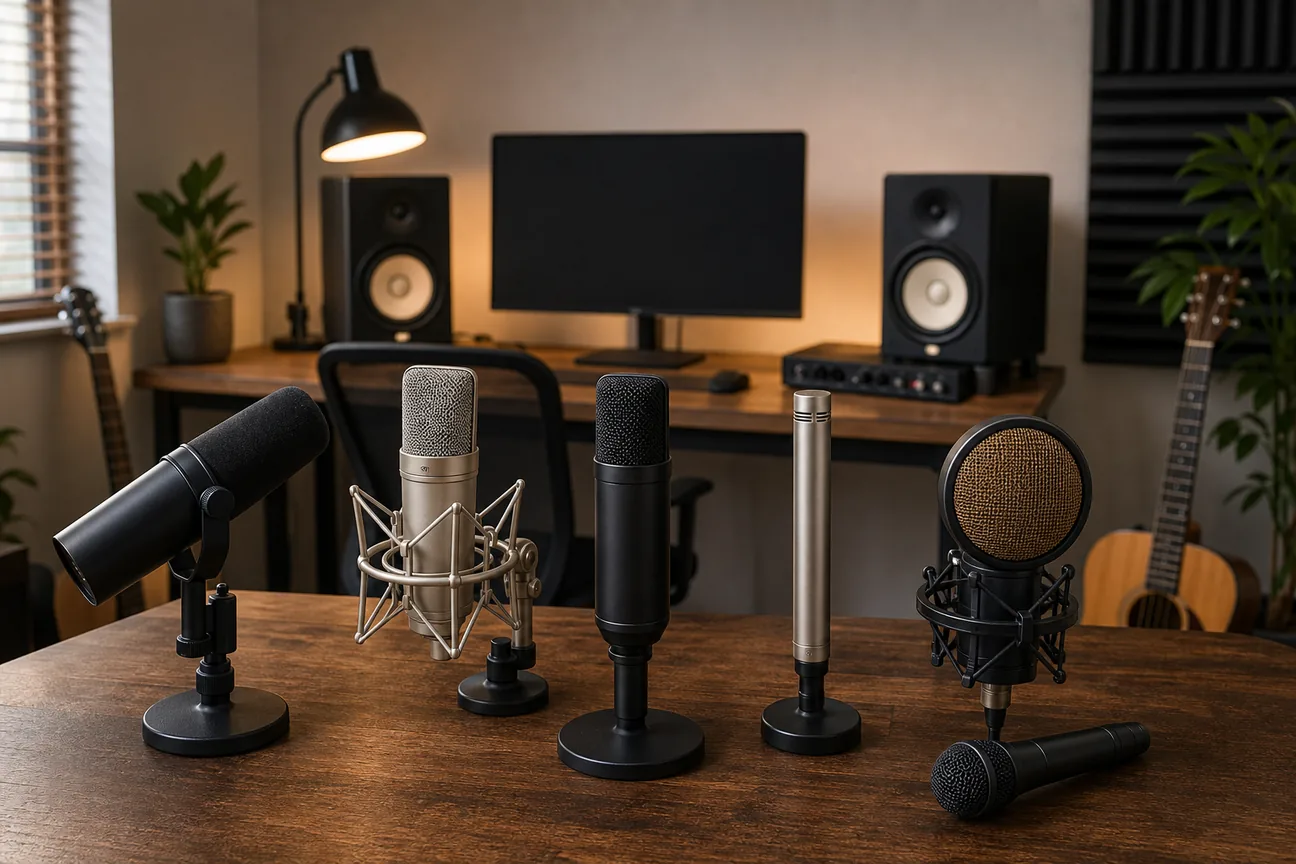
Ready to nail that vocal take or capture crisp instrumentals from your bedroom? You need a mic that fits your flow and budget. Below are the best microphones for home studio recording, plus a quick checklist to lock in the right choice.
We compared Sweetwater review pages for the Neumann TLM 102, Shure MV7, Røde NT1 5th Generation, Shure SM57, and Lewitt Pure Tube. The TLM 102 posts a perfect 5-star average from 40 reviews, tying SM57 at 420 reviews and NT1 5th Generation at 12 reviews. The MV7 trails at 4.5 stars from 27 reviews, while the Pure Tube shows 88% five-star ratings among 8 reviews. TLM 102 reviewers repeatedly praise its clarity on vocals, acoustic guitar, and band overheads, a use range none of the other perfect-rated mics matches.
Table of Contents
Neumann TLM 102 — Best premium condenser for detailed vocals
Røde NT1 5th Generation — Best hybrid mic for music and voice
Shure SM57 — Best durable dynamic mic for loud vocals and instruments
Lewitt Pure Tube — Best tube condenser for warm acoustic recordings
1. Neumann TLM 102 — Best premium condenser for detailed vocals
The Neumann TLM 102 brings studio‑grade clarity to a compact package. It captures vocals with a clean mid‑range and a subtle high‑frequency lift that adds air without harshness.
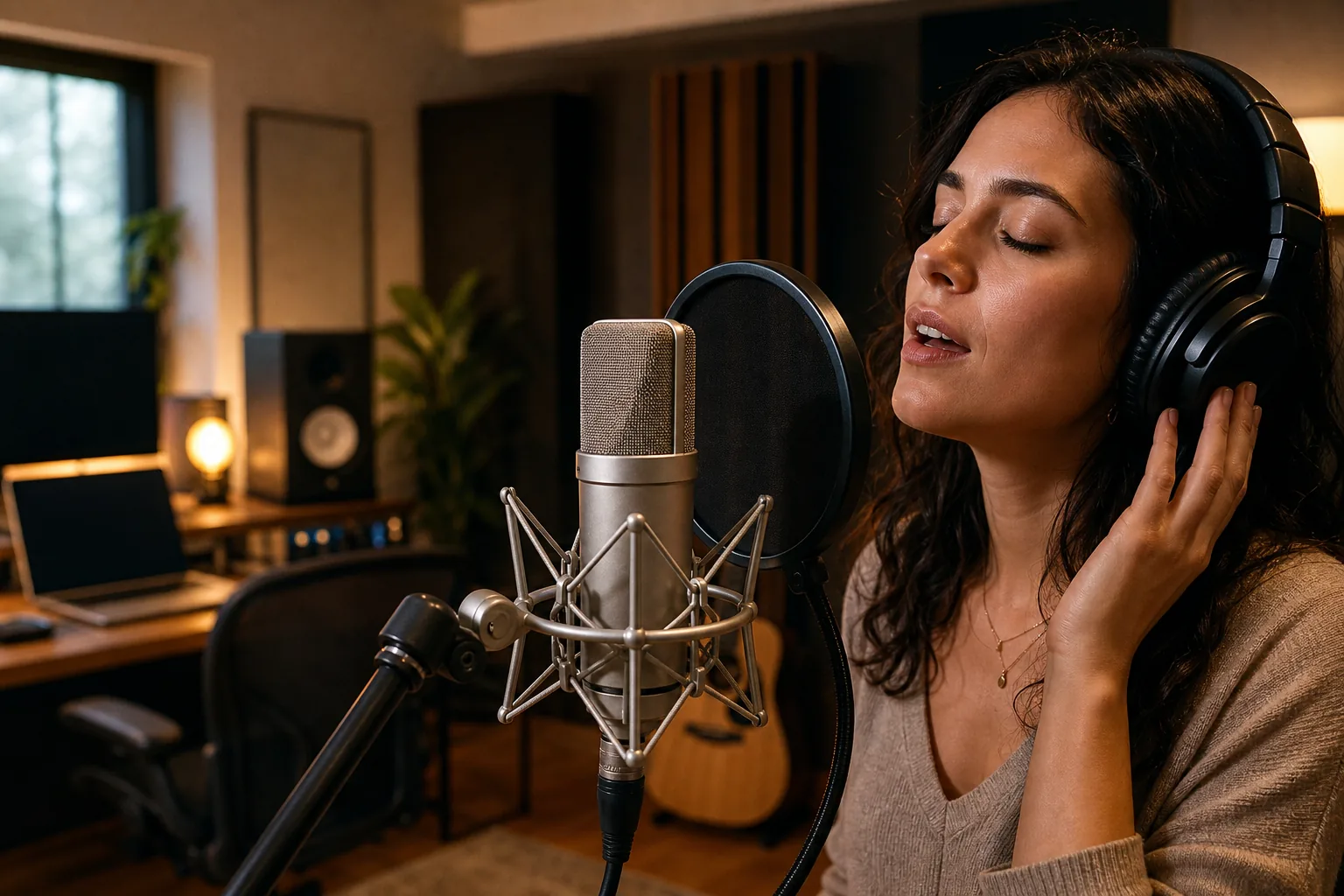
Designed in Germany, the TLM 102 uses a large‑diaphragm capsule that delivers a self‑noise of just 12 dB‑A, so you hear every nuance even in a quiet room.
The mic handles up to 144 dB SPL and has a cardioid polar pattern.
It works well for both vocalists and acoustic instruments, making it a versatile workhorse for solo creators.
One caveat: the solid metal body adds a bit of weight, so you’ll need a sturdy mic stand.
Need a reliable partner for beats that match this clarity? Check out the best studio monitors to hear every detail.
2. Shure MV7 — Best flexible USB/XLR microphone for creators
The Shure MV7 blends the classic SM7B sound with plug‑and‑play simplicity. It offers both USB and XLR outputs, so you can record straight to your computer or route through a mixer.
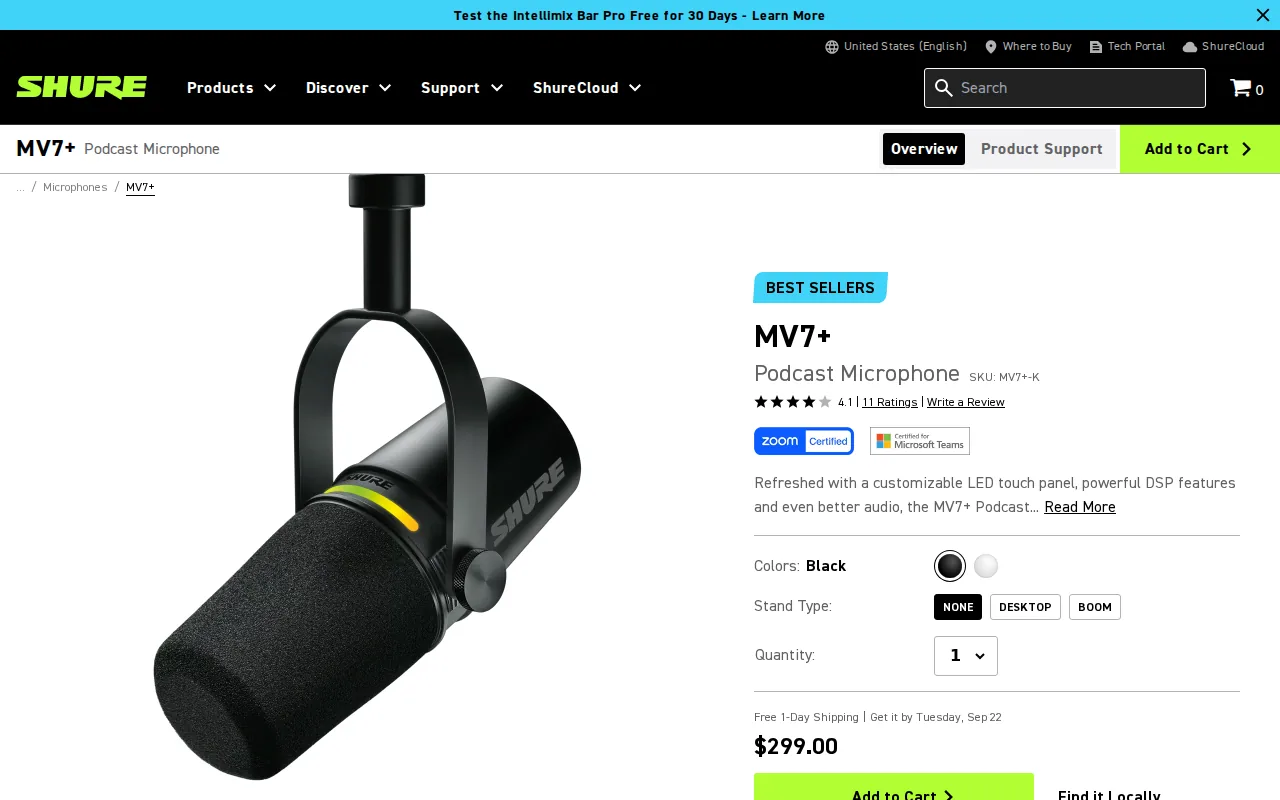
Its dynamic capsule handles up to 132 dB SPL, perfect for loud rap verses or aggressive vocal delivery.
The built‑in DSP lets you adjust gain, EQ, and compression through companion software, which is handy for quick home recordings.
The mic has a cardioid polar pattern.
Keep in mind the USB mode limits you to a 48 kHz/24‑bit resolution, which is fine for most releases but not for high‑resolution archiving.
When you pair the MV7 with a solid beat, you’ll feel the vibe. Explore top headphones to monitor your tracks accurately.
3. Røde NT1 5th Generation — Best hybrid mic for music and voice
The Røde NT1 5th Gen offers a hybrid USB‑XLR design that gives you the best of both worlds. Its large‑diaphragm condenser capsule delivers a smooth low end and detailed highs, while the USB connection lets you record directly to your DAW without an interface.
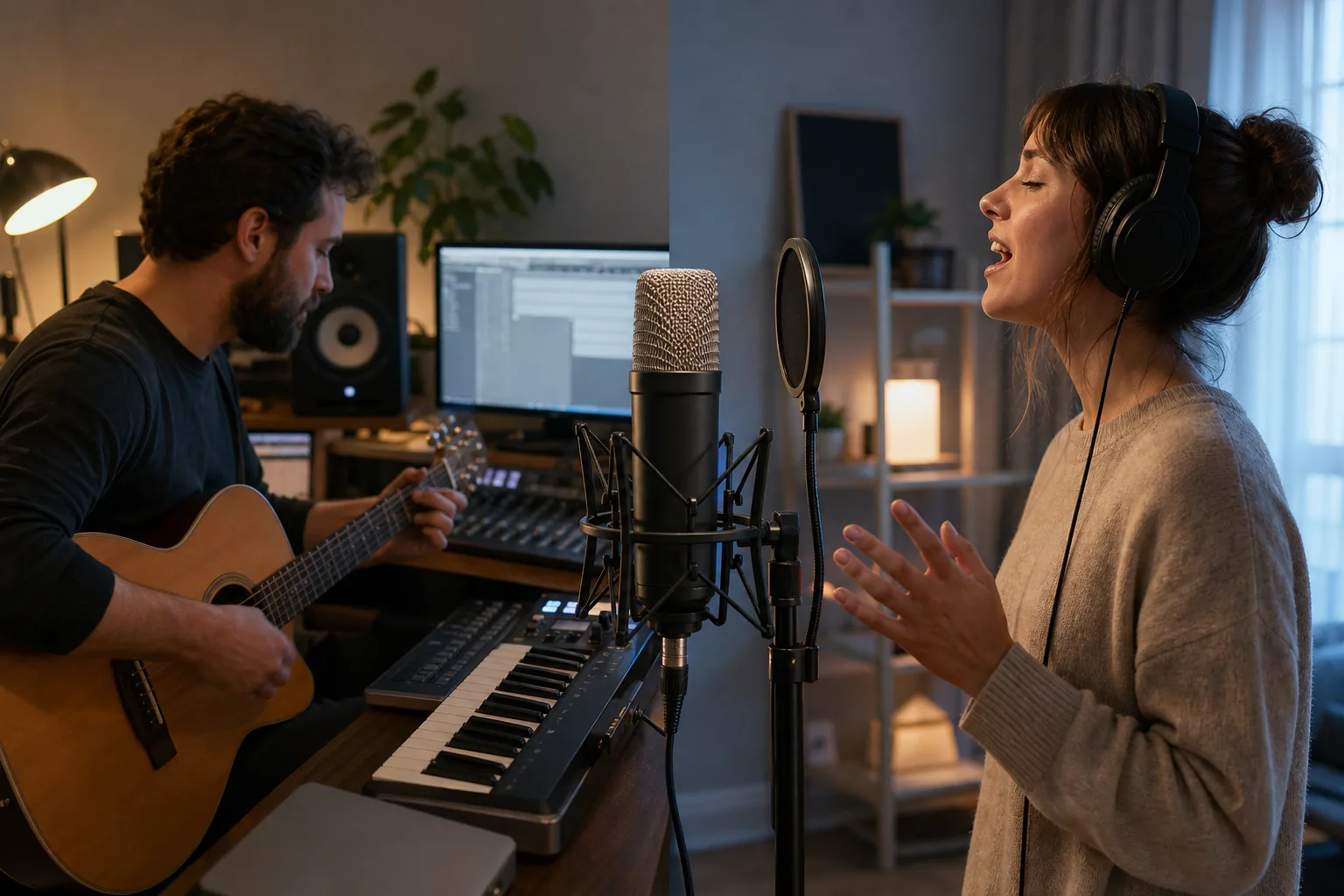
With a self‑noise of only 4.5 dB‑A, it captures whispers and quiet acoustic guitars without hiss.
The mic’s cardioid pattern and built‑in pop filter keep plosives in check, which is a blessing for vocalists who punch the mic.
Its XLR output still lets you upgrade to a preamp later, making it future‑proof.
One drawback: the USB cable is non‑standard, so you’ll need a spare if you lose it.
4. Shure SM57 — Best durable dynamic mic for loud vocals and instruments
The Shure SM57 is a rugged workhorse that’s been on stages and studios for decades. Its dynamic cardioid design handles up to 150 dB SPL, so it can take on screaming rap verses or crashing drums.
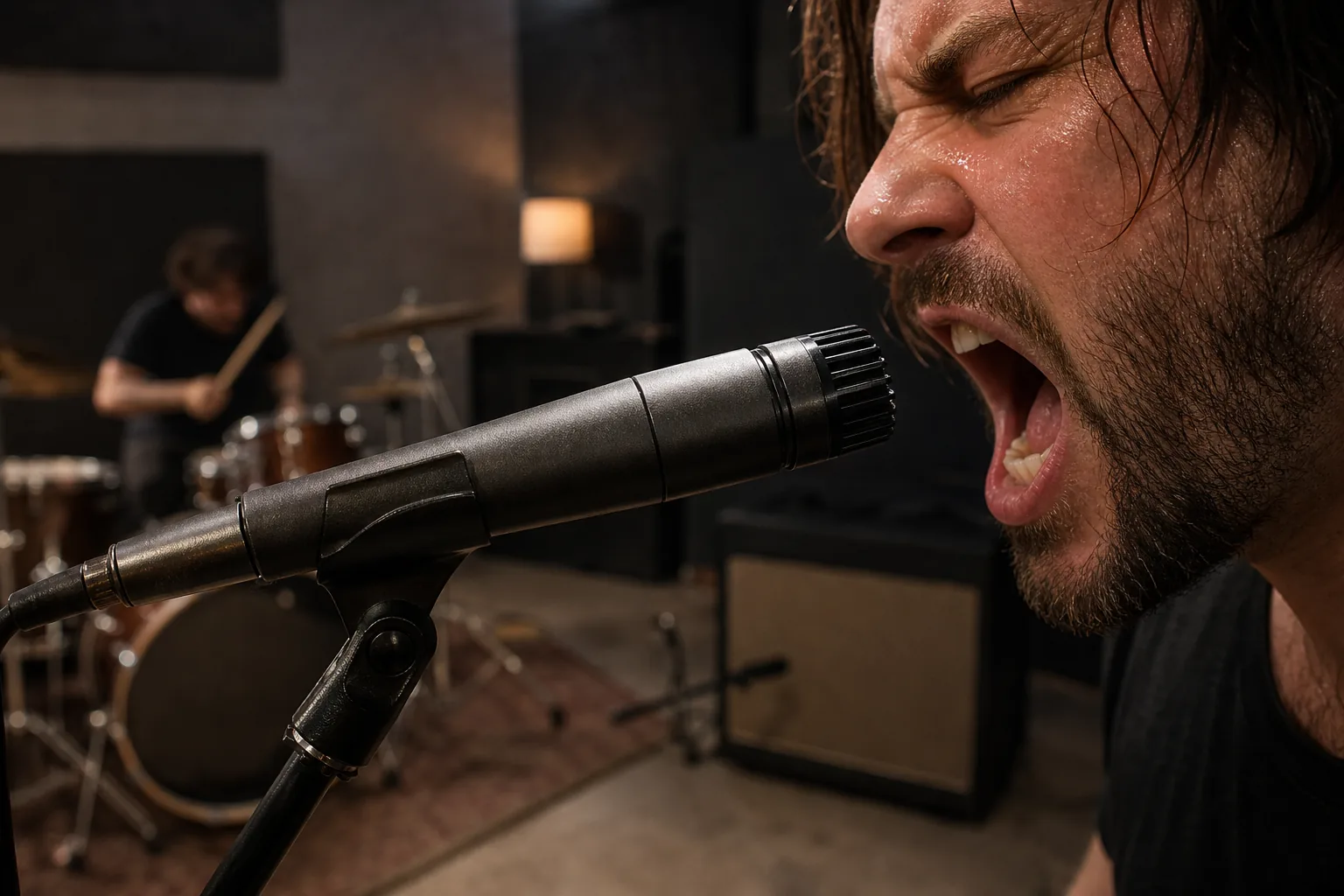
Because it’s a dynamic mic, it doesn’t need phantom power, which keeps your setup simple.
Its frequency response (40 Hz‑15 kHz) emphasizes the midrange, giving vocals a presence that cuts through a mix.
It’s cheap enough to buy a few and experiment with placement on different instruments.
However, it lacks the high‑frequency sheen of a condenser, so solo vocal tracks may need a little boost in post.
5. Lewitt Pure Tube — Best tube condenser for warm acoustic recordings
The Lewitt Pure Tube brings vintage tube warmth to a modern home studio. Its cardioid tube condenser captures acoustic guitars, vocals, and even soft percussion with a rich harmonic texture.
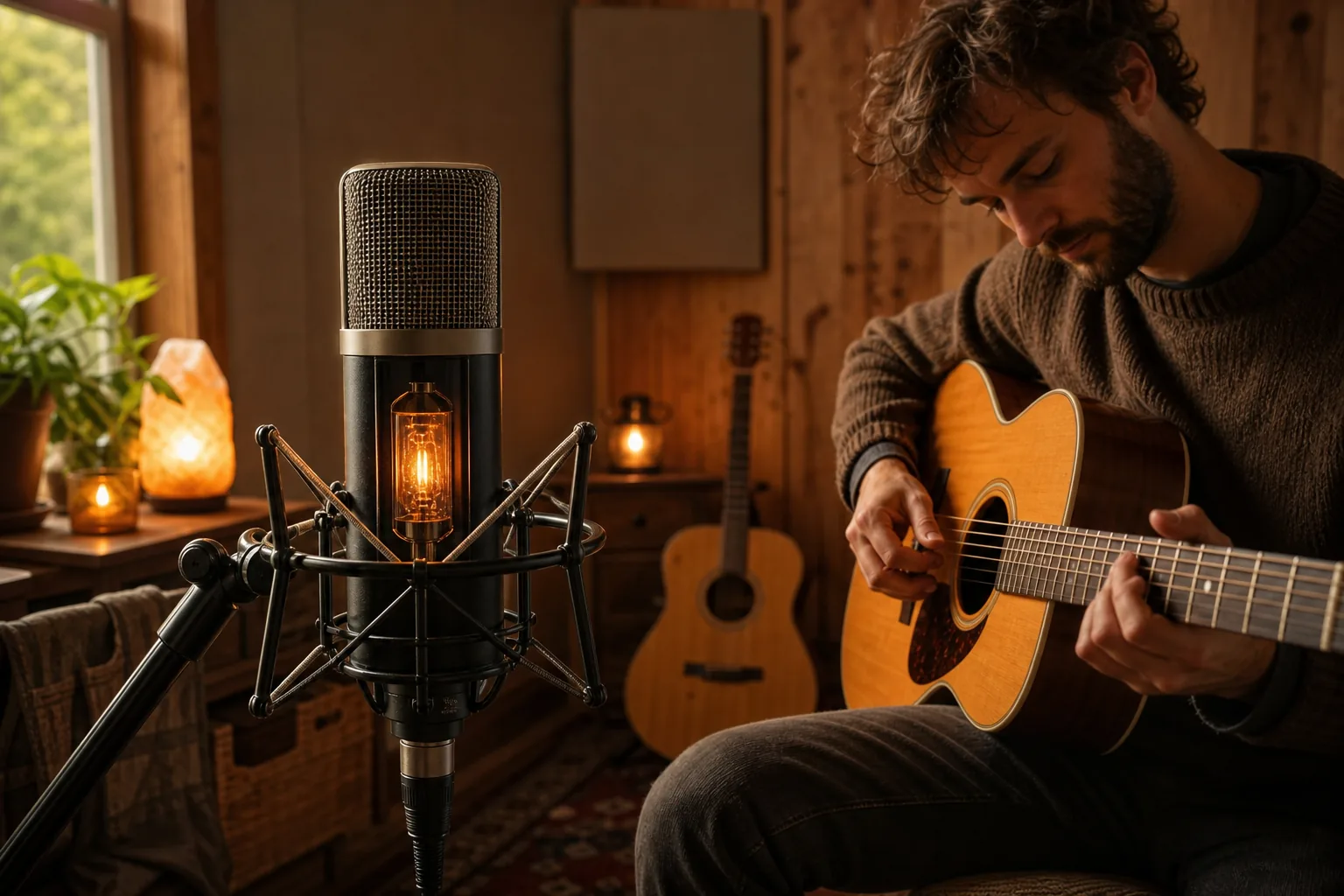
It handles up to 132 dB SPL, enough for most vocal performances.
The built‑in high‑pass filter lets you tame low‑end rumble without external gear.
Because it’s a tube mic, you’ll need a 48 V phantom supply, which most audio interfaces provide.
Watch out for the extra heat the tube generates; give it a few minutes to warm up before critical tracking.
Compare the Best Microphones for Home Studio Recording
Pro Tip: Pair a cardioid mic with a simple reflection filter or a closet‑filled‑with‑clothes to tame room echo without spending a lot.
How to choose the right mic
Decide if you need USB plug‑and‑play or XLR for a full‑studio chain.
Match the mic type to your main source: dynamic for loud sources, condenser for detail.
Check self‑noise if you record soft vocals or acoustic instruments.
Consider budget vs. upgrade path, a hybrid mic lets you grow later.
When you’ve narrowed it down, test the mic with your favorite beat. Indepth Jay Beats offers instant beat delivery so you can hear the mic in context right away.
FAQ
Which mic is best for rap vocals?
The Shure MV7 is the top pick for rap because its dynamic capsule handles high SPL and its USB output lets you record straight to a laptop without extra gear.
Do I need an audio interface for a USB mic?
No, a USB mic like the RØDE NT1 plugs directly into your computer, but an interface gives you more gain control and future‑proofing.
Can I use a condenser mic in a non‑treated room?
You can, but expect more room ambience; using a cardioid pattern and a pop filter helps keep the sound clean.
What’s the difference between a tube and a solid‑state condenser?
A tube condenser like the Lewitt Pure Tube adds harmonic warmth that many singers love, while solid‑state condensers tend to sound more neutral and detailed.
Do dynamic mics need phantom power?
No, dynamic mics such as the Shure SM57 run on regular mic voltage and don’t require phantom power.
Conclusion
If you want studio‑grade clarity without a massive budget, the Neumann TLM 102 leads the pack. Grab a mic that matches your style, then head over to Indepth Jay Beats for beats that let your new mic shine.
Key specs for quick side‑by‑side comparison
Mic | Type | Polar Pattern | Freq. Range | Max SPL | Connectivity | Best For |
|---|---|---|---|---|---|---|
Neumann TLM 102 | Condenser | Cardioid | 20 Hz‑20 kHz | 144 dB | XLR | Detailed vocals & acoustic instruments |
Shure MV7 | Dynamic | Cardioid | 50 Hz‑16 kHz | 132 dB | USB / XLR | Podcasters, rappers, easy‑setup creators |
RØDE NT1 5th Gen | Condenser (hybrid) | Cardioid | 20 Hz‑20 kHz | — | USB / XLR | Low‑noise vocal & music recordings |
Shure SM57 | Dynamic | Cardioid | 40 Hz‑15 kHz | 150 dB | XLR | Loud vocals, amps, drums |
Lewitt Pure Tube | Tube condenser | Cardioid | 20 Hz‑20 kHz | 132 dB | XLR | Warm acoustic guitars & vocals |